Restoration treatment can give a whole new life to a painting! At the bottom of the page you can find a more extensive photo list of Completed Projects.
Private ownership
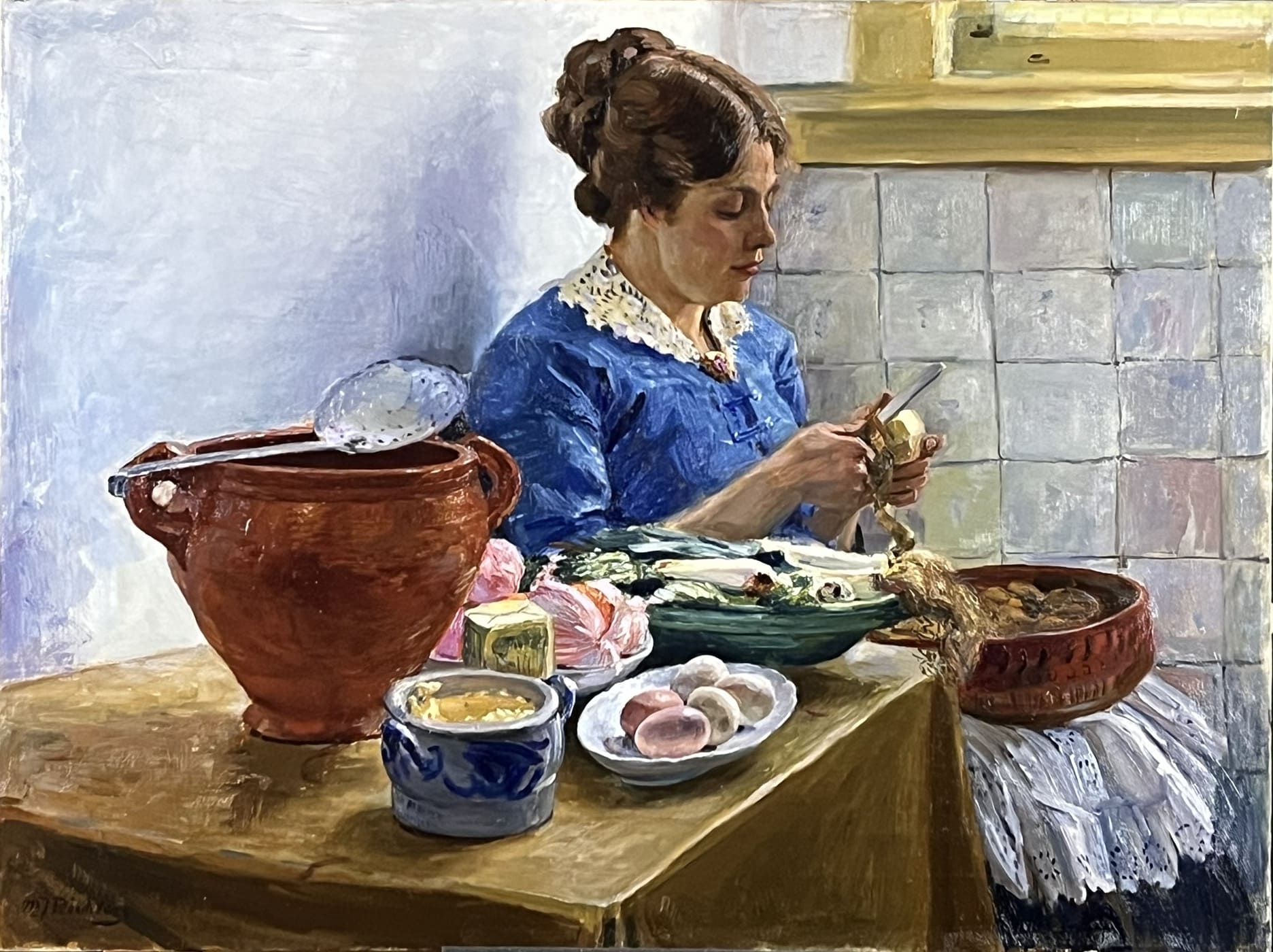
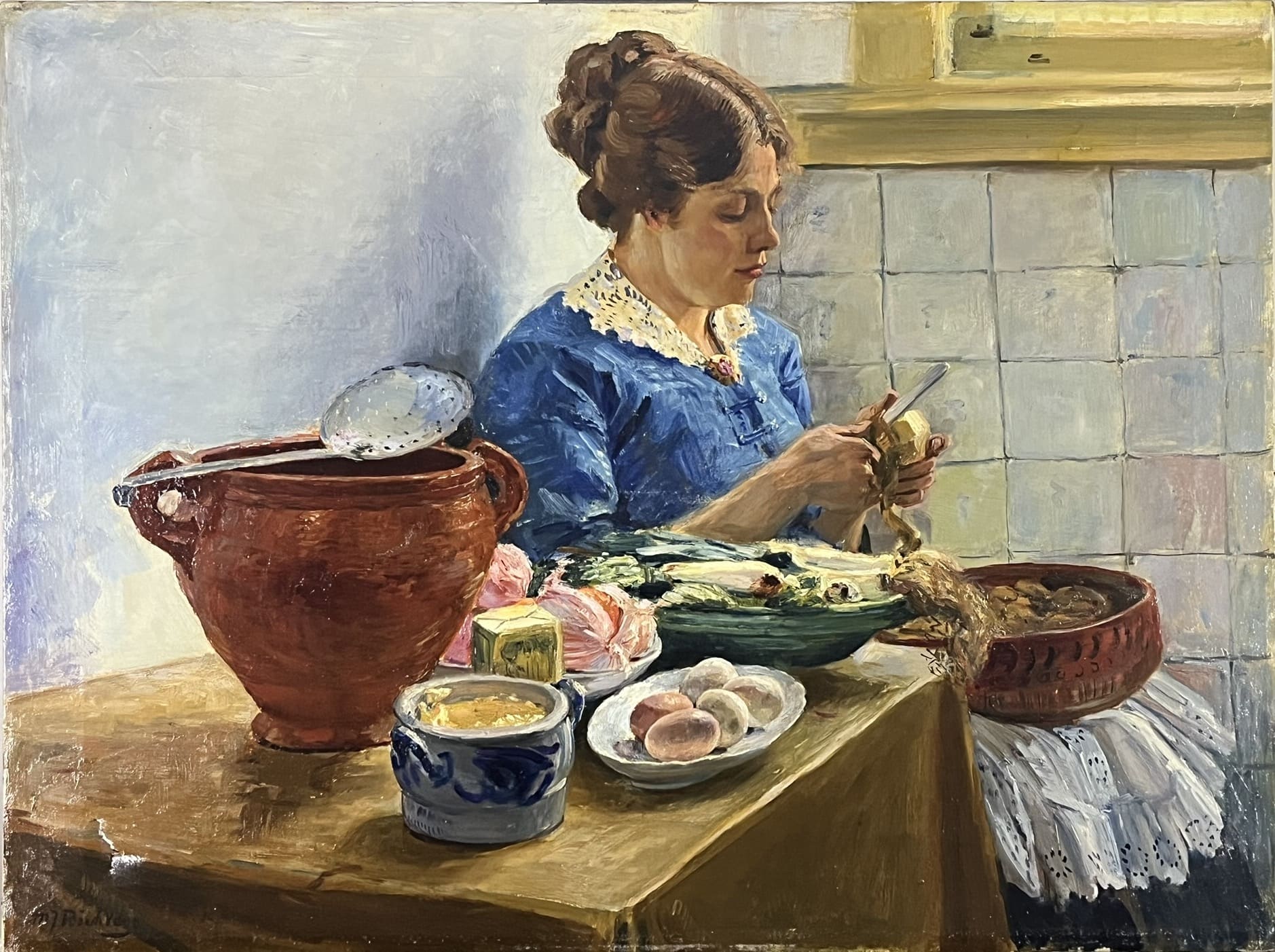
Removal of the yellowed varnish restored bright nuances of color. For example, a rainbow of hues was revealed in the tiles on the righthand side. The painting can now be seen and appreciated as the artist intended it.
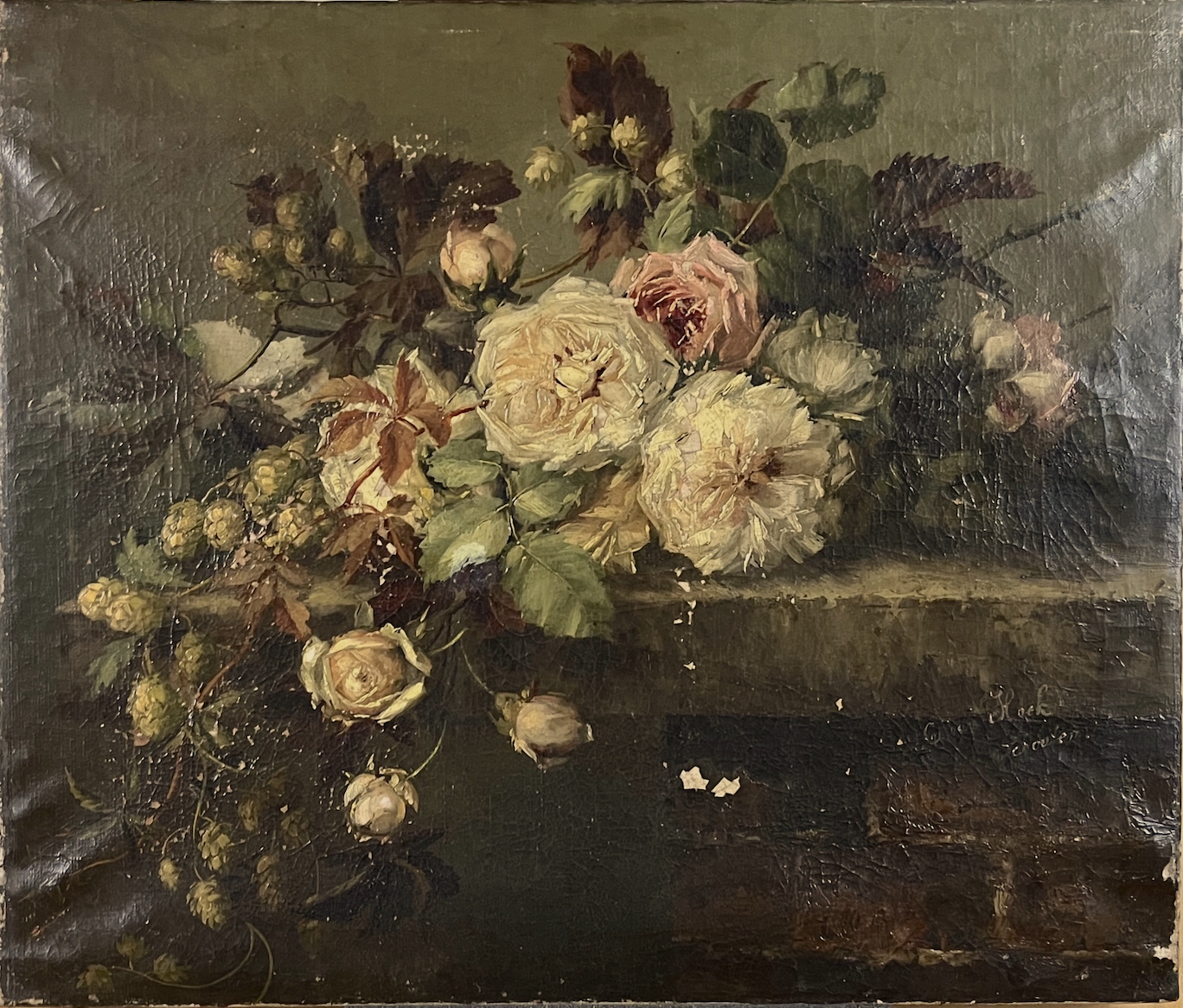
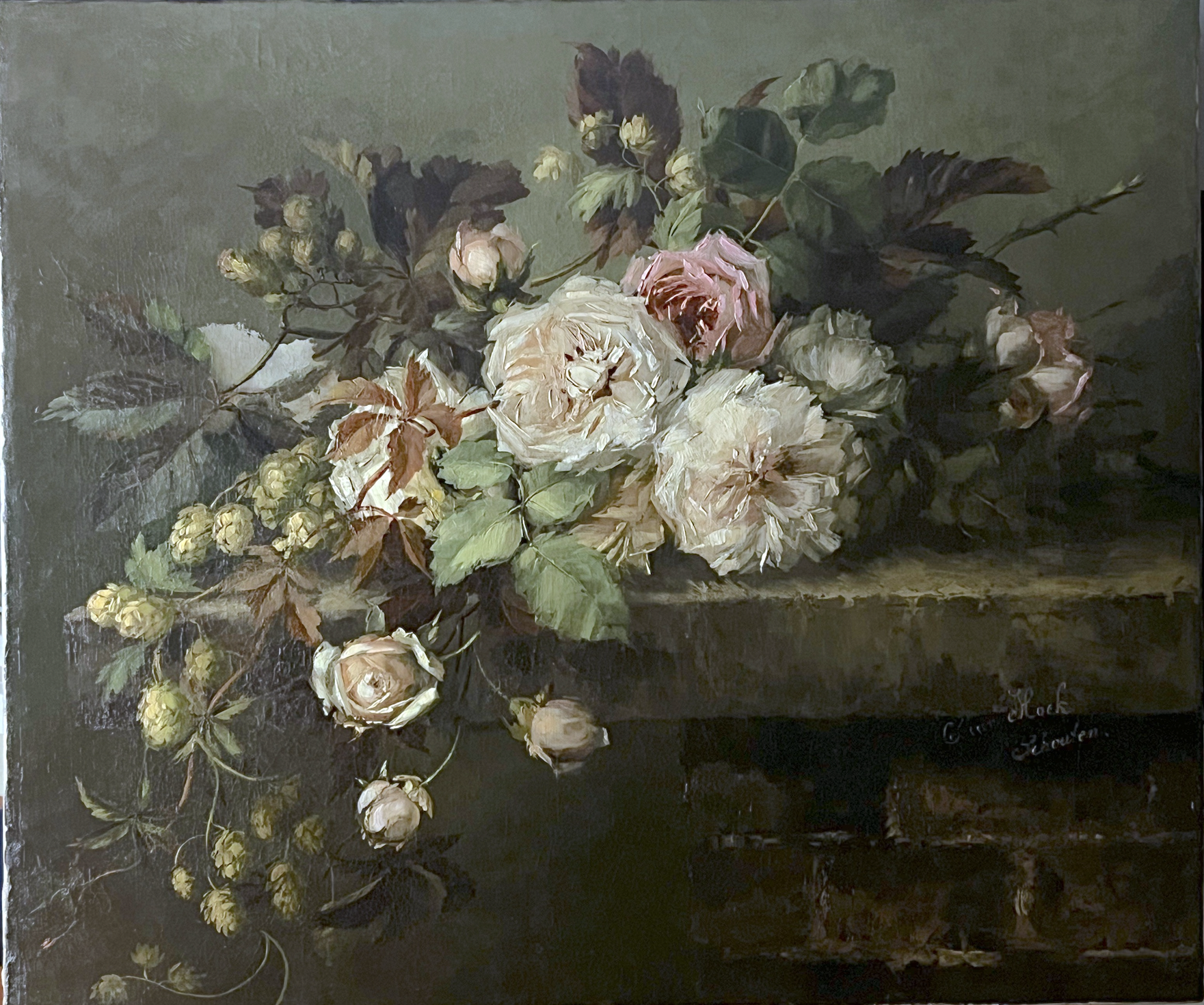
This painting had hundreds of paint losses, between 1mm and 2cm large. The canvas was also very deformed. After the canvas was flattened, the varnish was removed. Then the losses were filled and retouched.
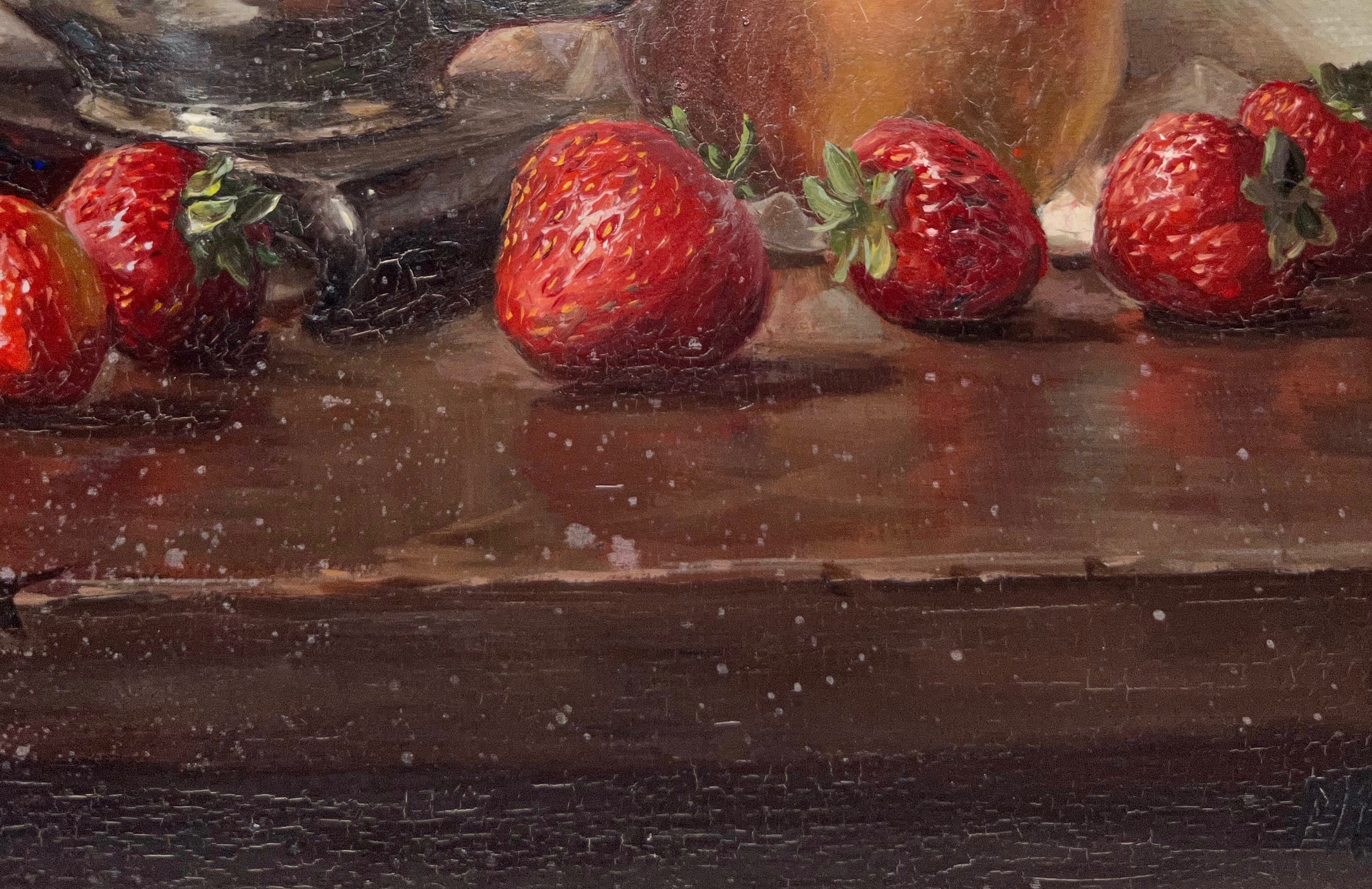
Before: This painting was apparently damaged by a liquid spray which dissolved some areas of varnish. Luckily, the varnish fulfilled its purpose as a protective layer and the underlying paint was not damaged. However, the splotchiness in the varnish layer created disruptions which drew attention away from the image.
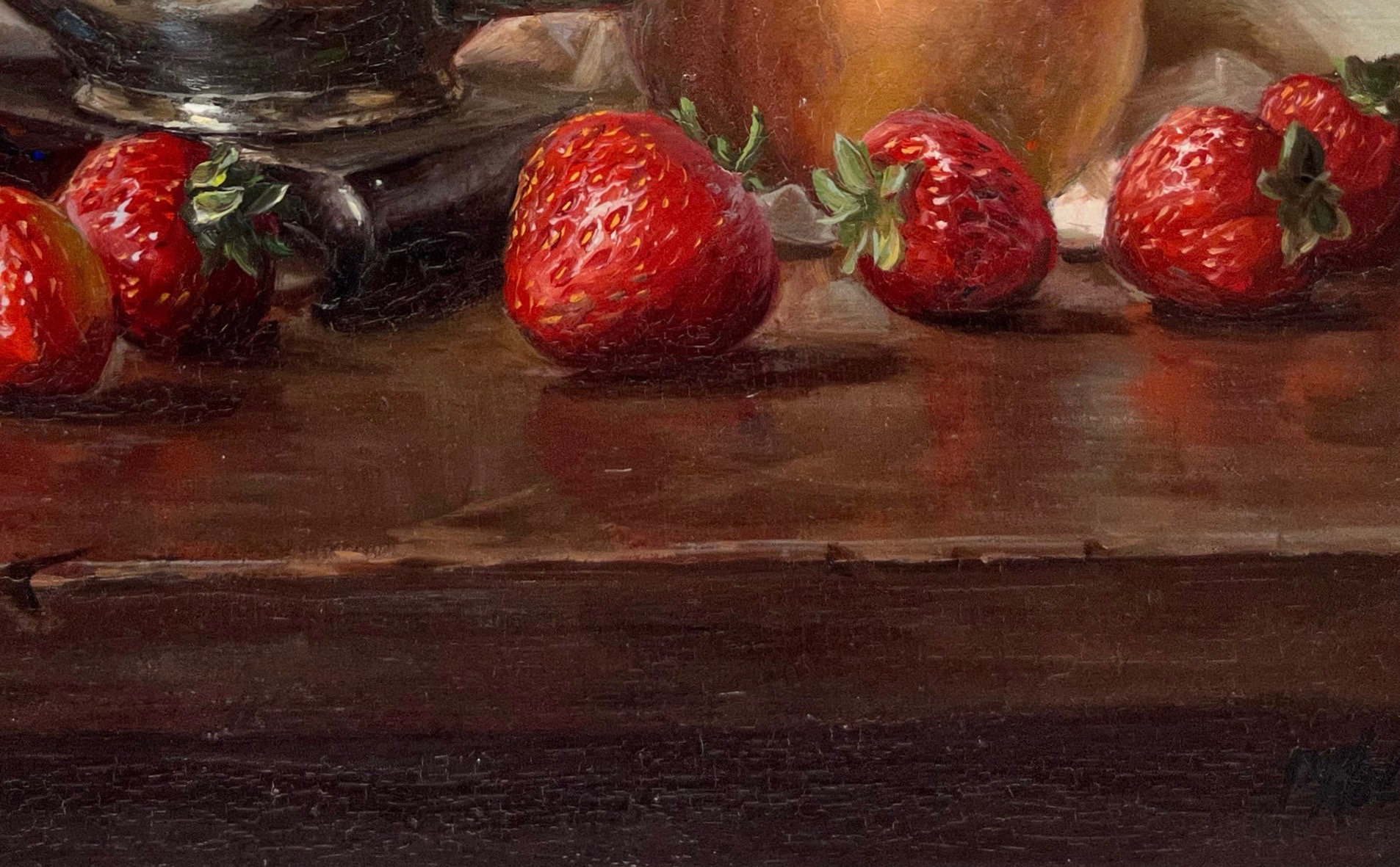
After: Retouching the varnish layer removed the splotchy distractions and restored a cohesive image. The painting was also cleaned of surface dirt, which restored gloss and luminance to the painting without the necessity of varnish removal.
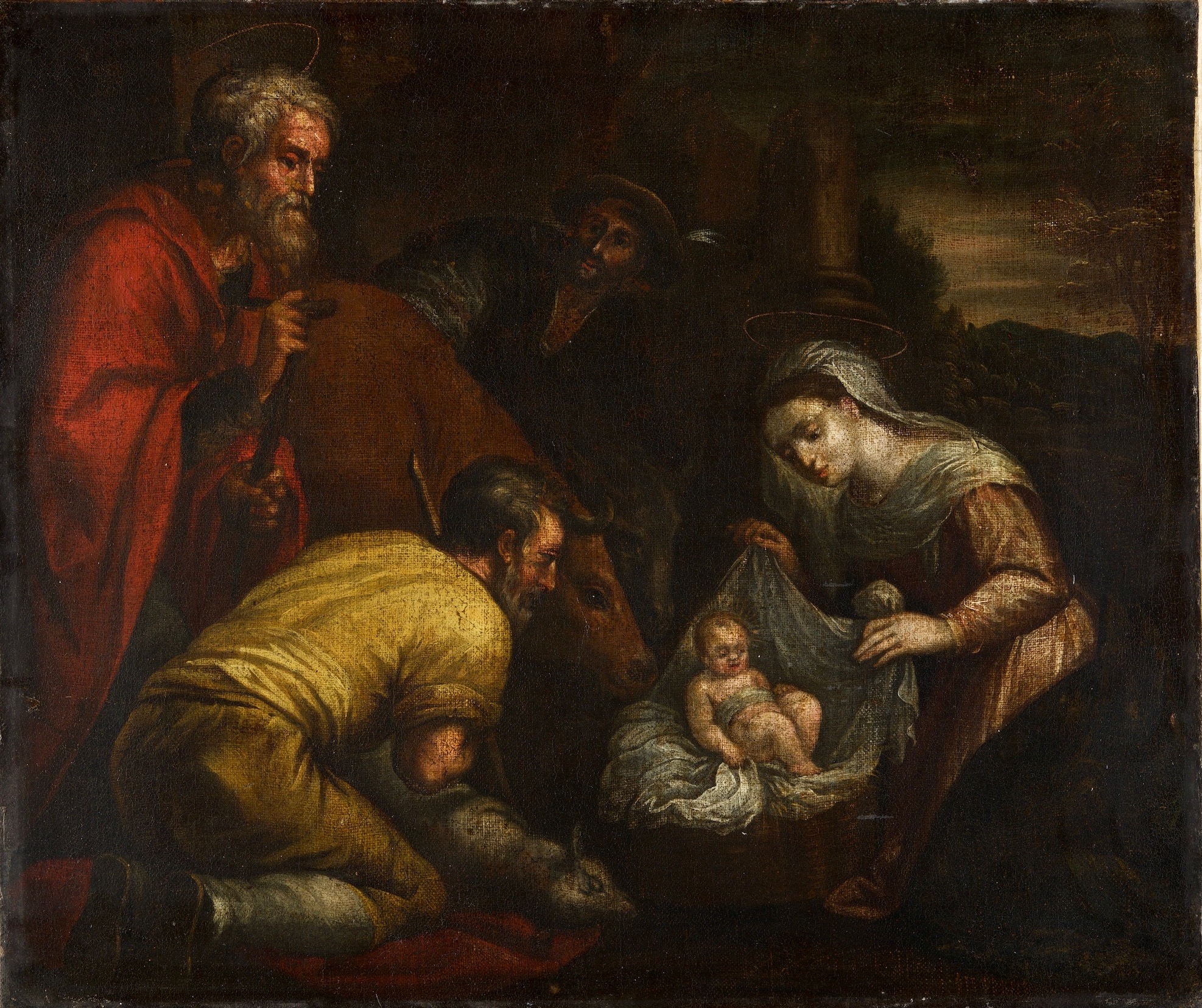
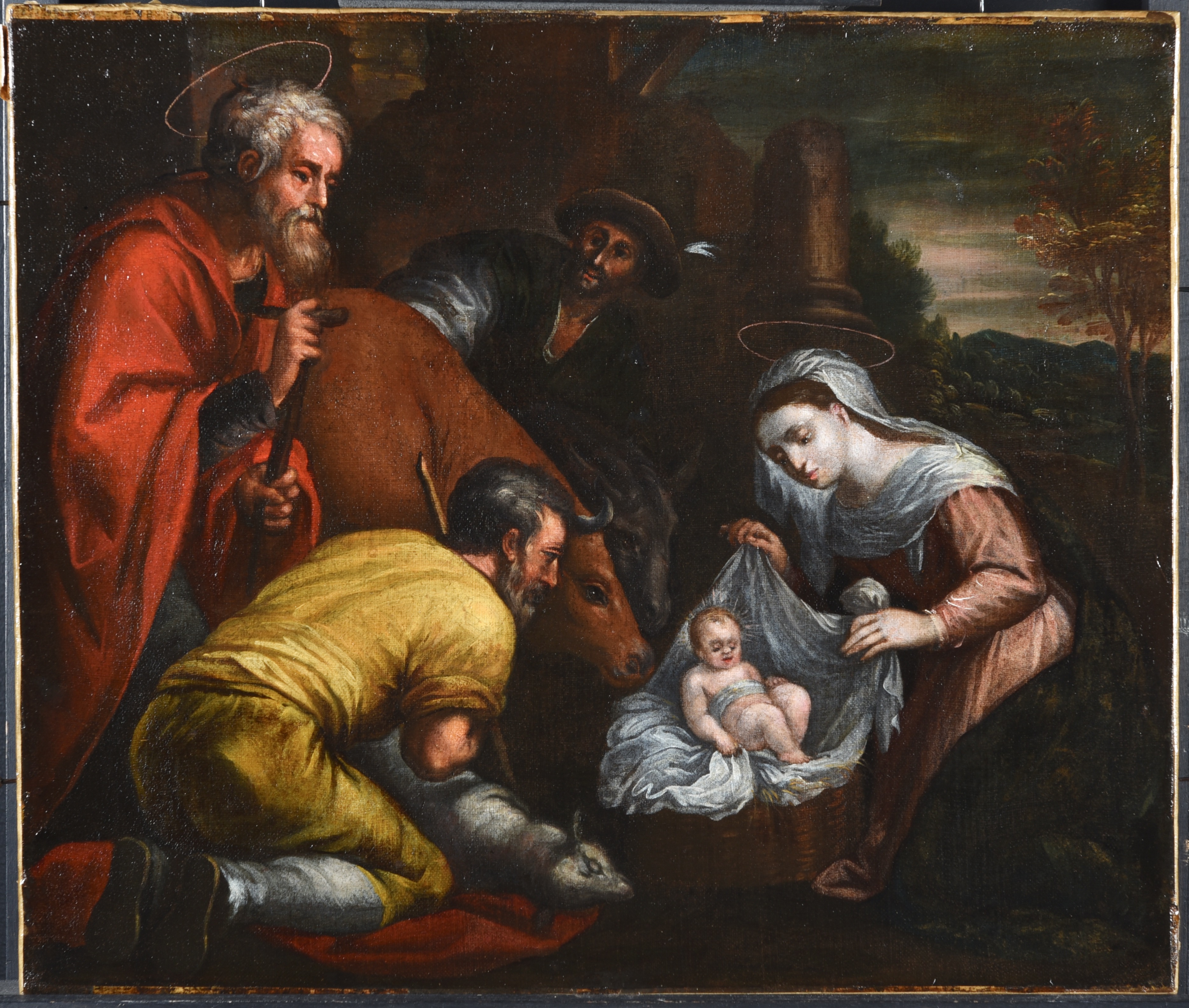
Catharijneconvent Museum, Utrecht

Private ownership
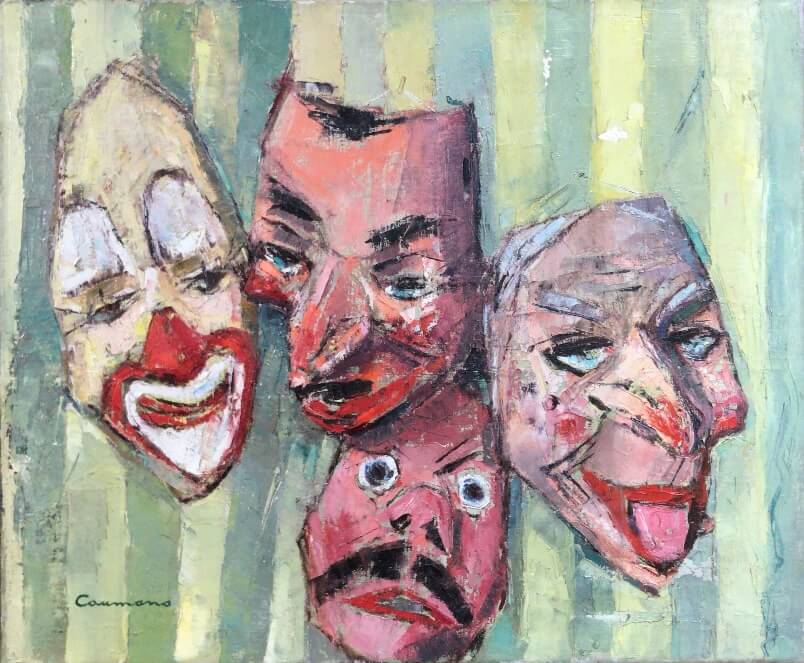
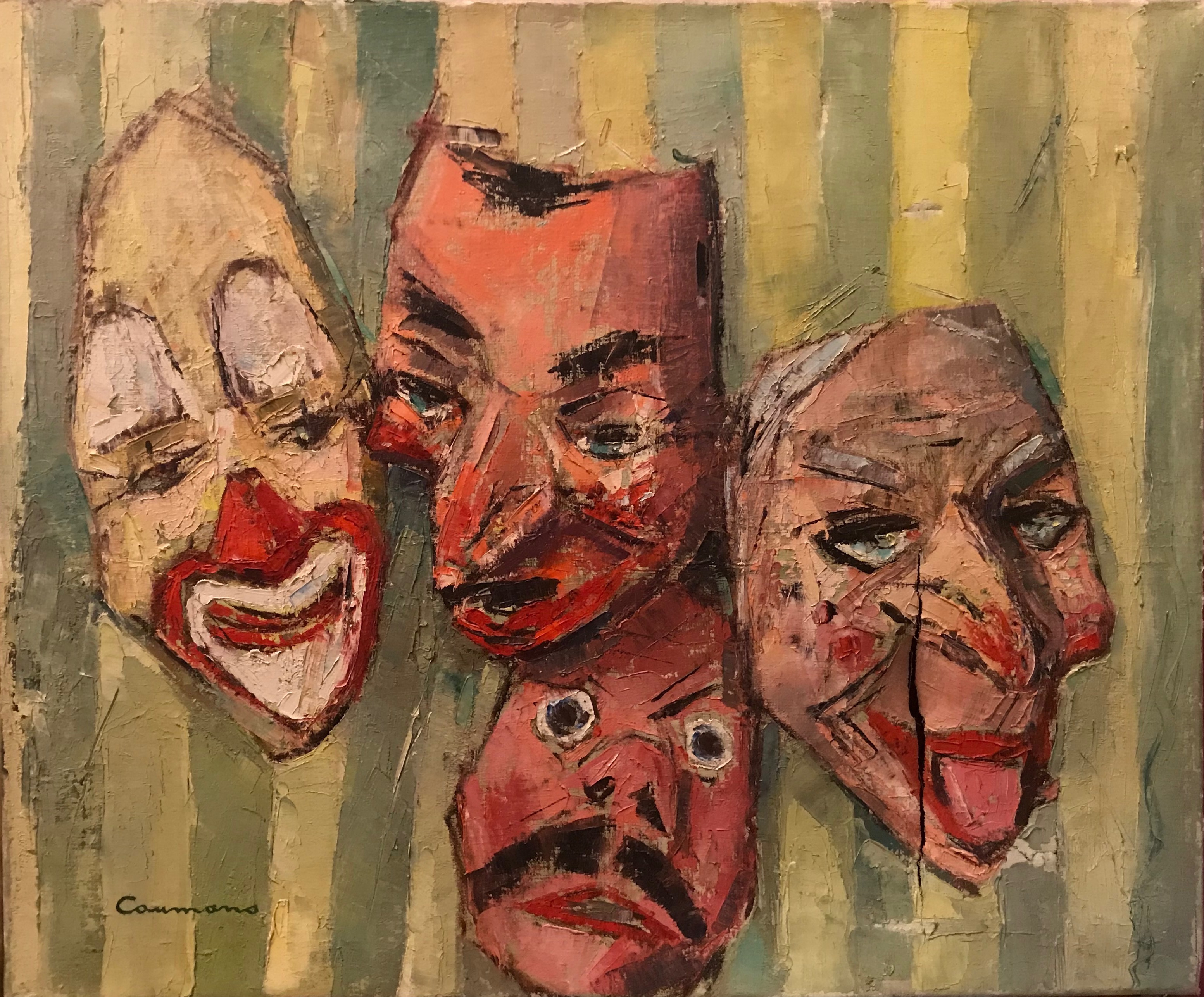
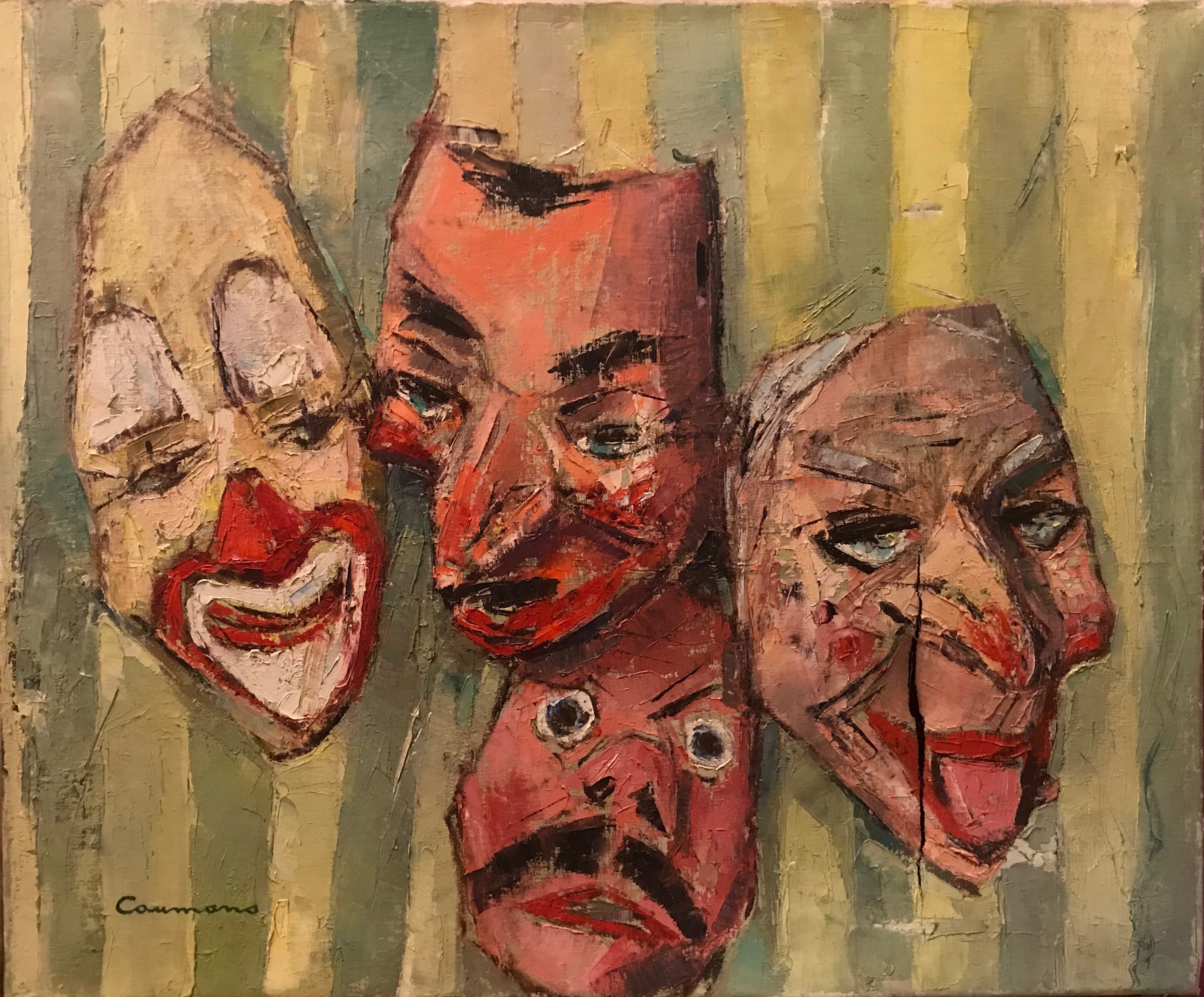
Before: This painting had a large disturbing tear which distracted viewers and diminished appreciation of the artwork. The tear was so obvious that one might not even notice the extremely discolored varnish layer, which covered the original colors with a yellow-brown tinge.
After: After varnish removal, the painting’s bright pinks and greens were revealed. The reds popped again now that contrast between colors was restored. Details could also be better appreciated. With the tear mended and retouched, it was no longer a distraction.
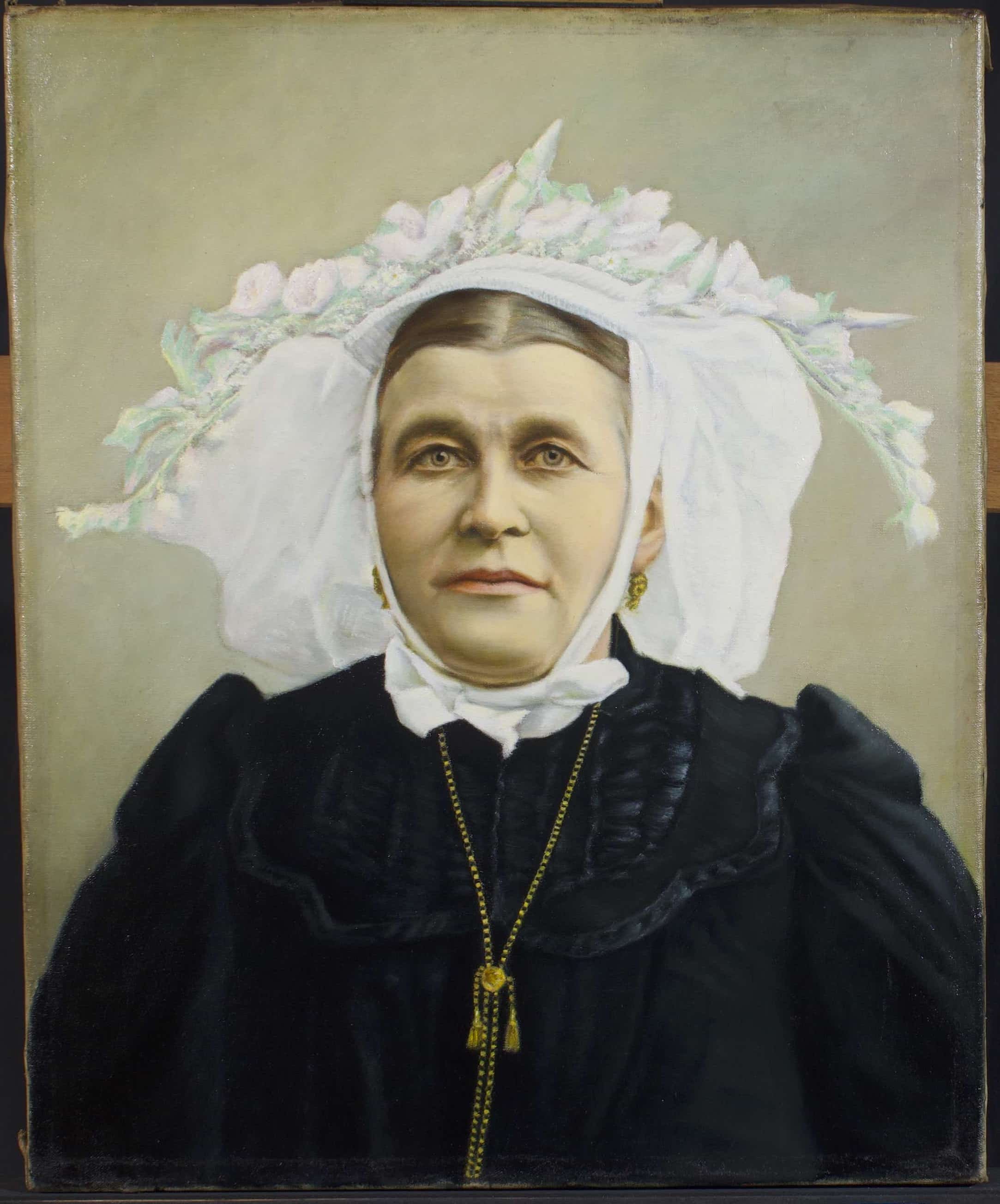
Private Ownership
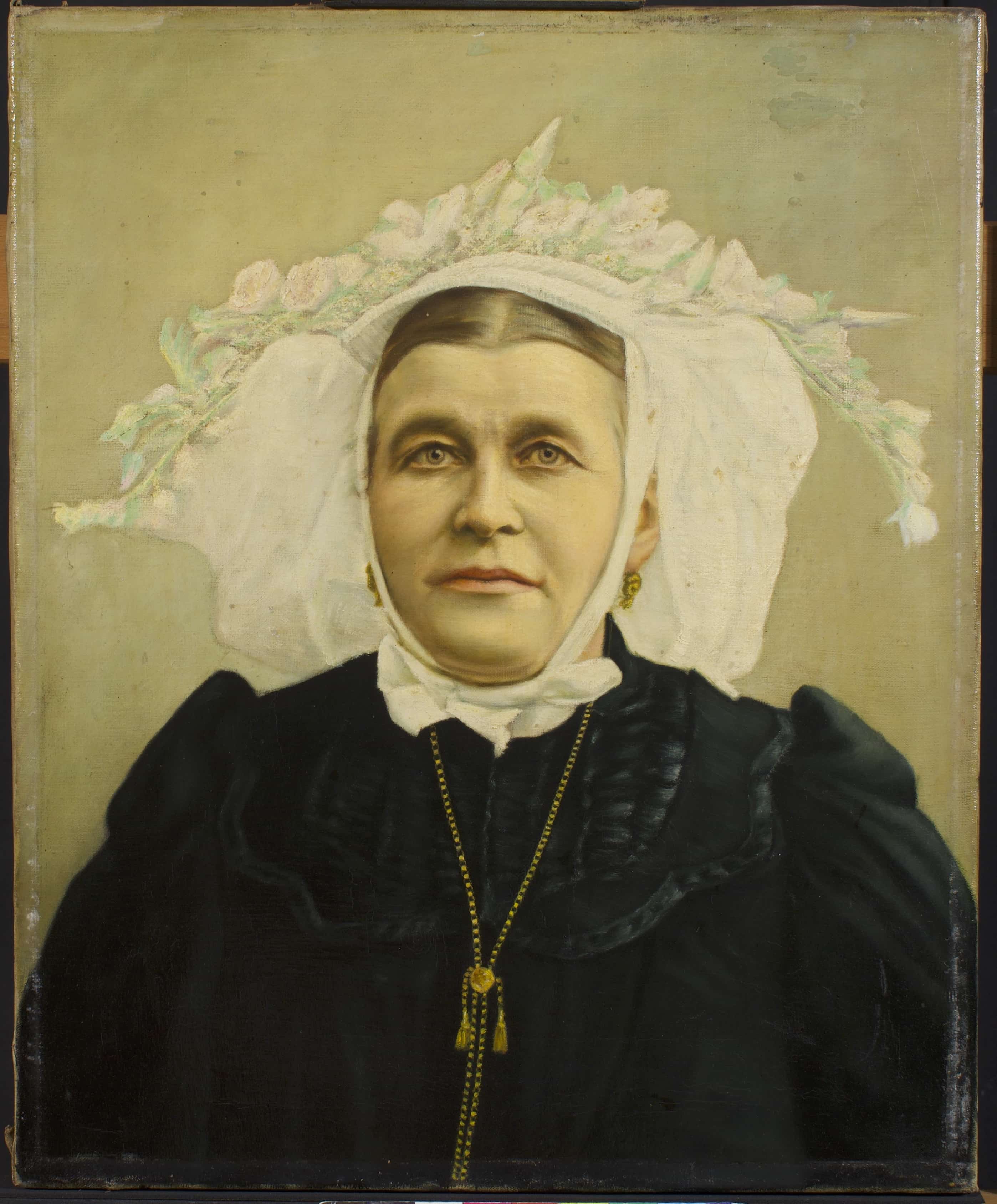
Before: This portrait had an extremely yellowed varnish and noticeably discolored retouches.
After: After removing the varnish and retouches, the original colors and details (such as the purple tones in the flowers and the shadows in the headdress) were revealed.
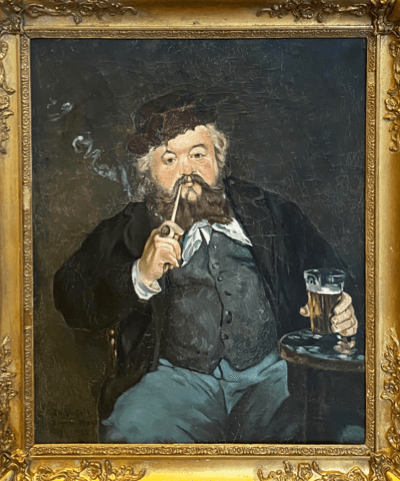
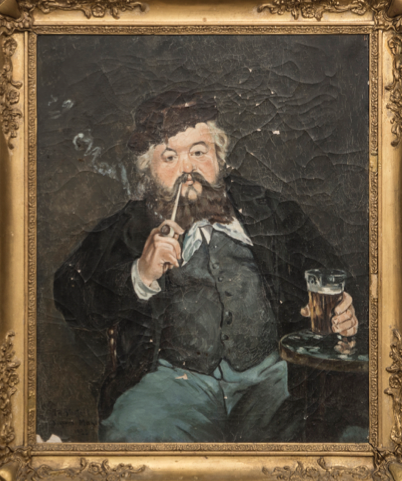
Private ownership
Before: This paint layer was extremely fragile. The paint was cracked and detaching from the canvas. In some places it had completely flaked off, leaving the canvas visible. You can see this to the right of the man’s head, in his clothes and in the bottom left corner. Additionally, there was a layer of grey dirt hiding the original colors and making everything appear dull.
After: The vulnerable paint was flattened and secured to the canvas. The areas of lost paint were filled and retouched to blend in with the rest of the painting. Cleaning also had a great effect. You can see more shape and details in the face now and the colors of the skin, clothes and beer pop. You can especially appreciate the brightness of the whites and the blue of the pants.
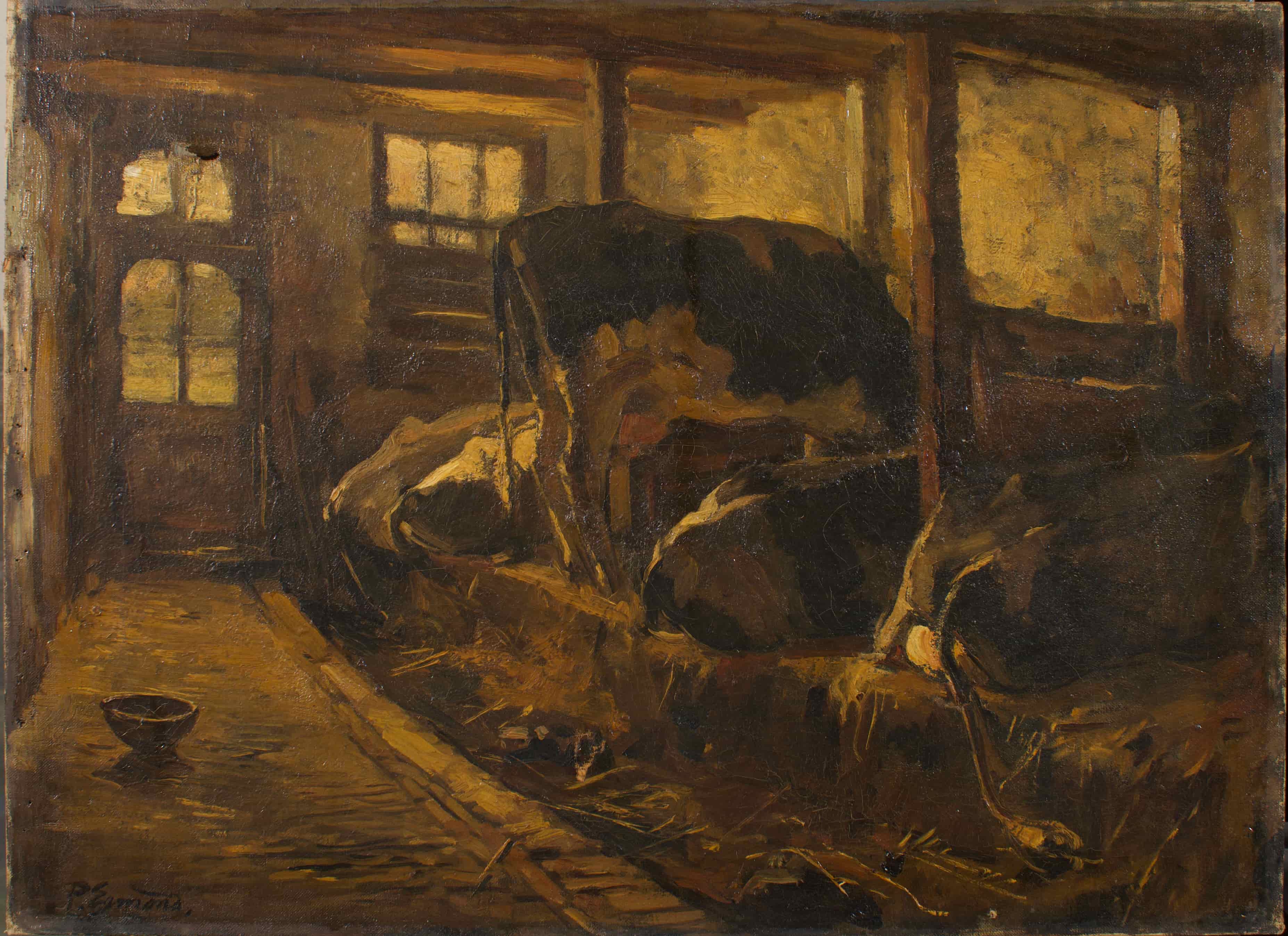
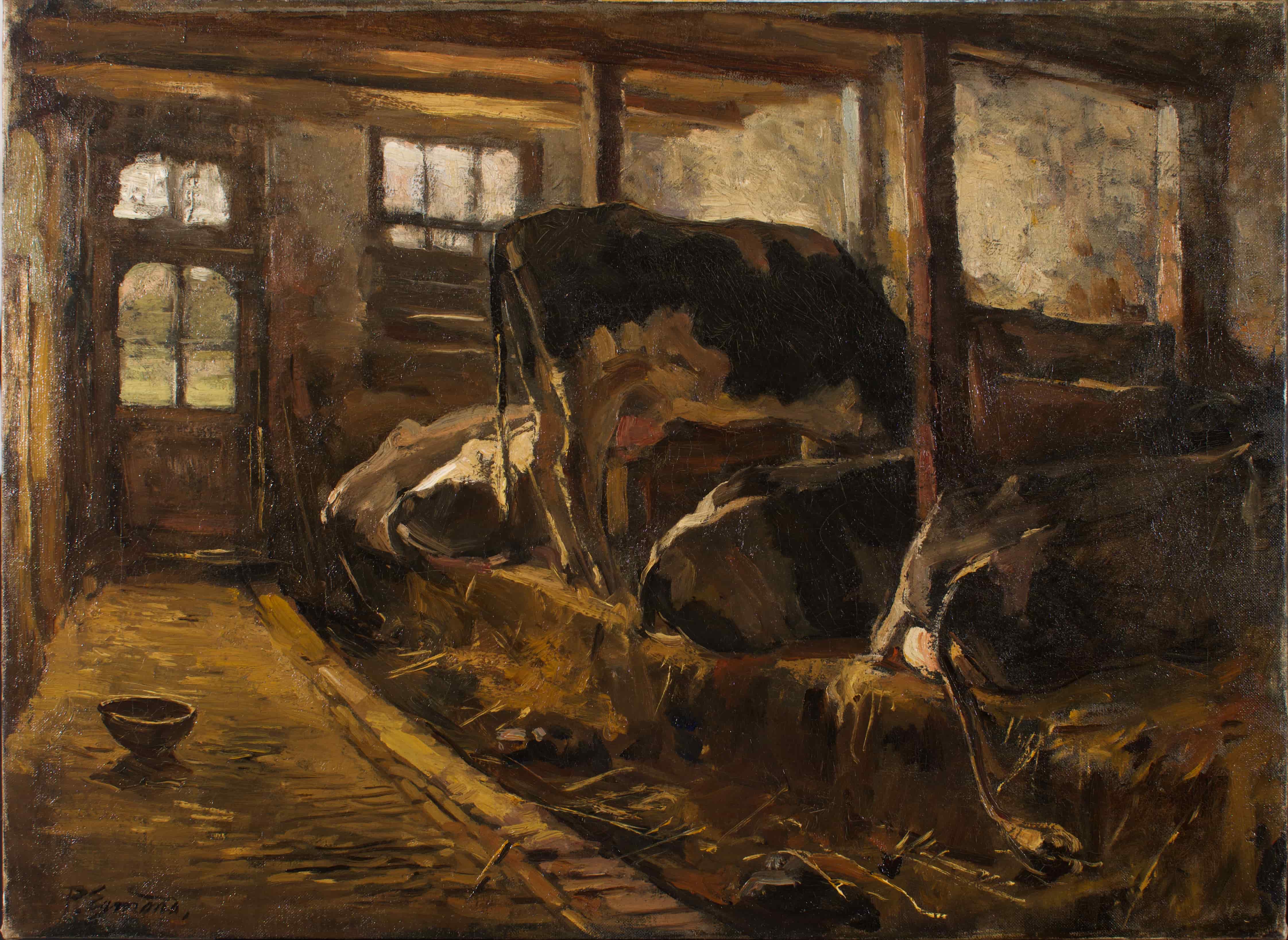
Gemeente Enkhuizen
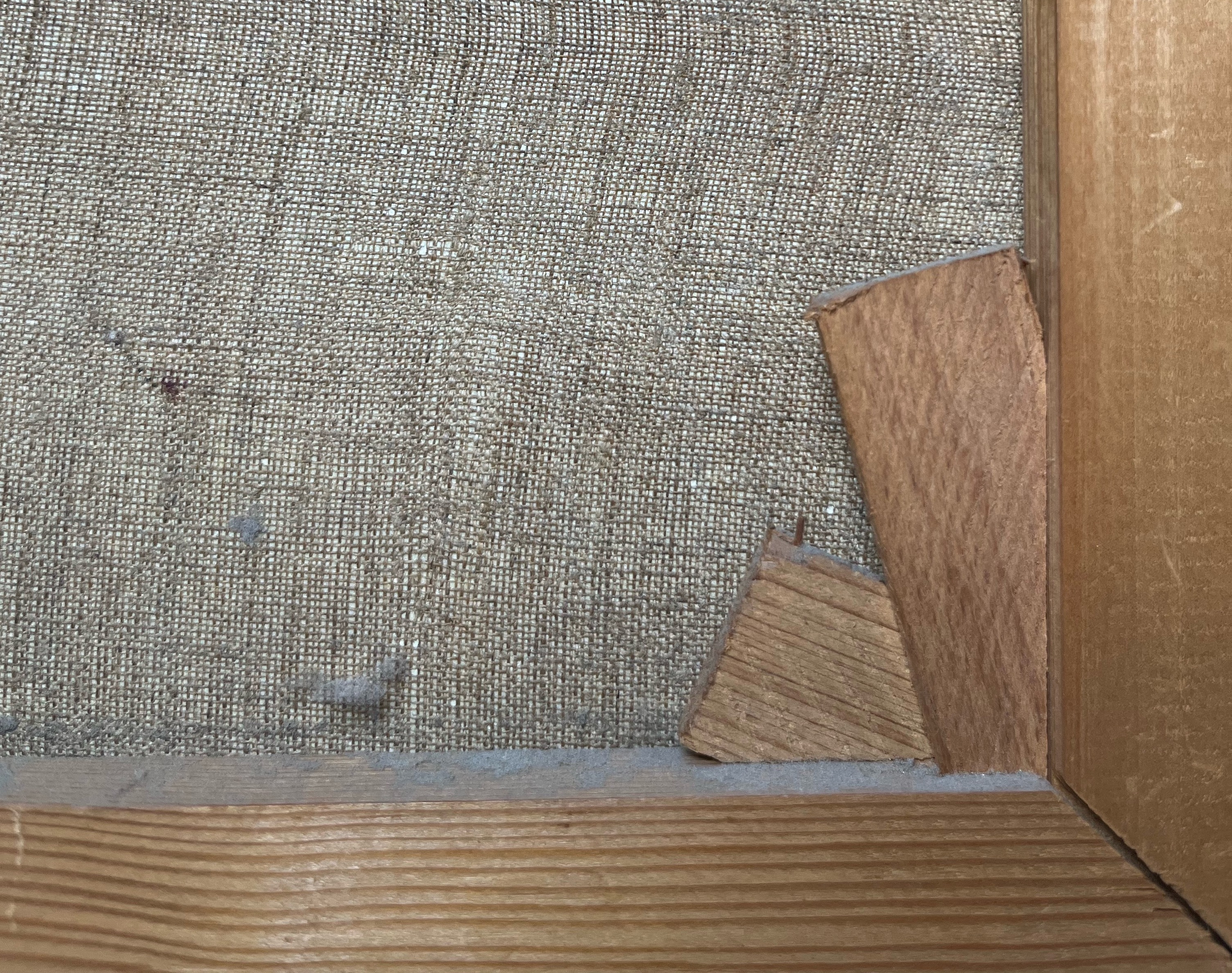
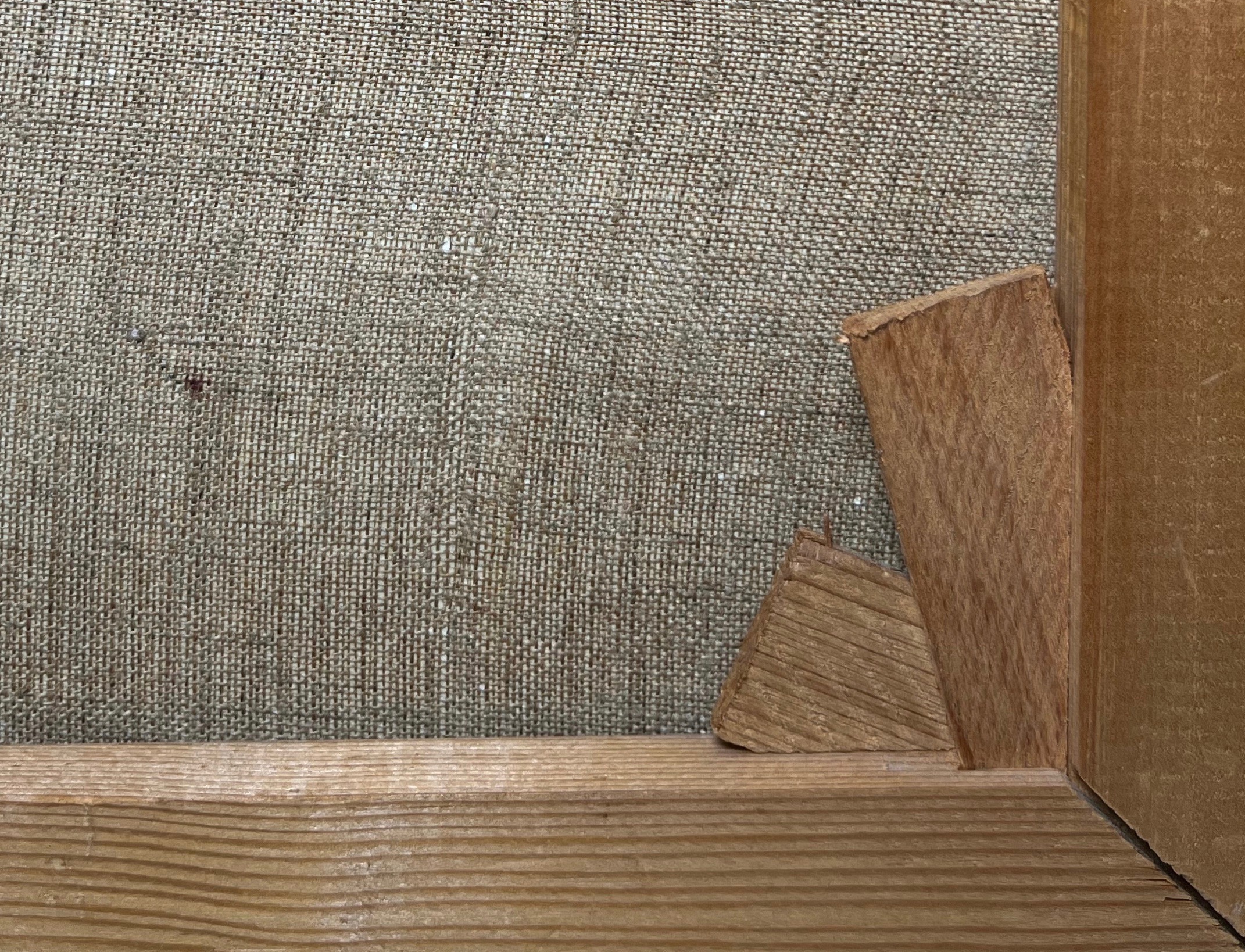
Although we don’t often look at the back of a painting, dirt and dust can really accumulate there! Besides having an unpleasant appearance, the such dirt can lead to mold growth. Not only can mold really damage a painting, it is not good for our health. Dust should therefore be addressed as soon as you notice it.
Client History
Previous clients include museums, private individuals, gemeenten, art dealers and stichtingen.
-CODA museum Apeldoorn-
-Museum De Fundatie-
-Noord-Veluws Museum-
-Stichting Deventer Verhaal-
-Wildschut Antiques-
Completed Projects
I have experience with paintings from a range of time periods which have suffered a great variety of damages. Each painting receives a specialized treatment based on its unique characteristics and needs.
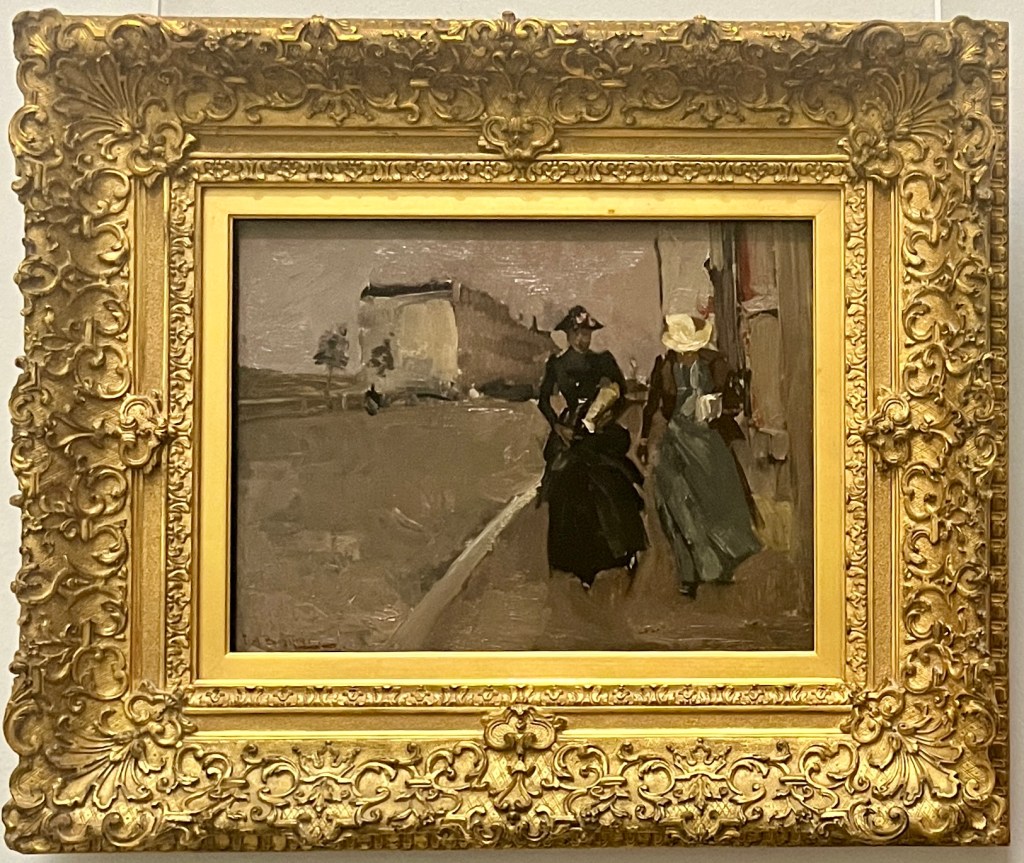
George Hendrik Breitner, “De Windstoot“, 1886-1898, Oil on canvas
This painting of the Kröller-Müller Museum was in need of varnish removal. The front and back of the panel was cleaned, then the varnish was removed. A sample of varnish was taken and identified with THM-Py-GC-MS analysis for research purposes. The painting was then given a new varnish.
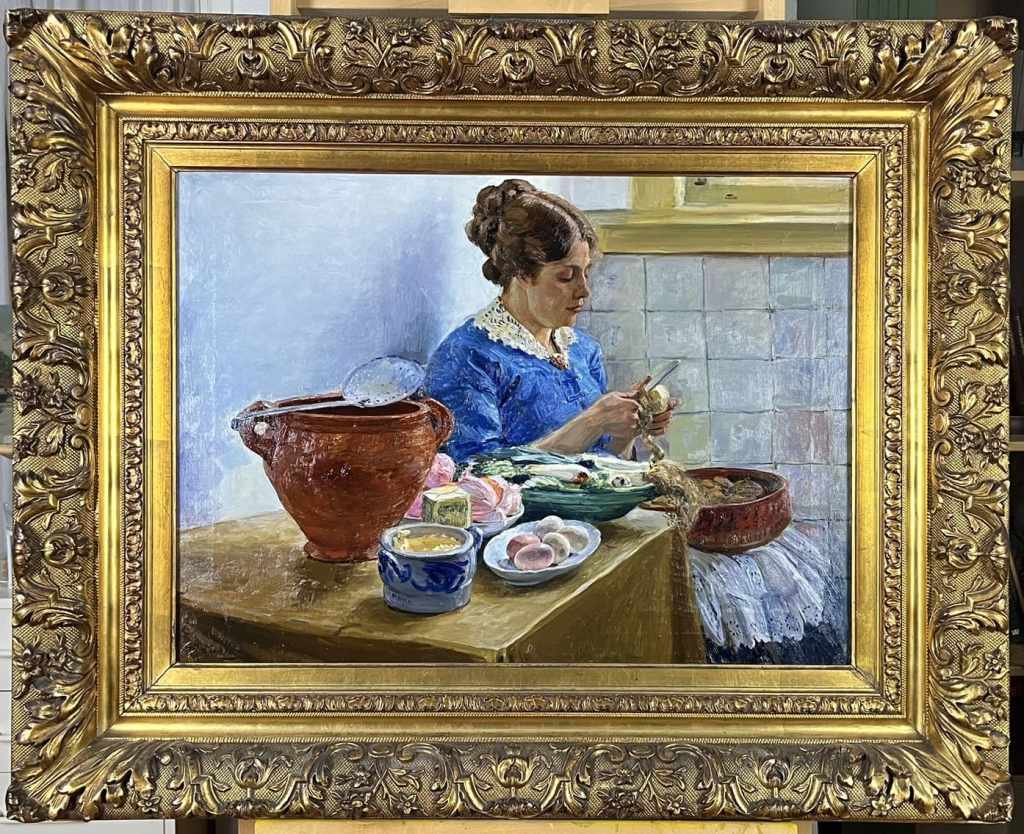
M. J. Richters, “Portret van Johanna van der Markt“, 1910-1959, Oil on canvas
Treatment included varnish removal and tear mending.
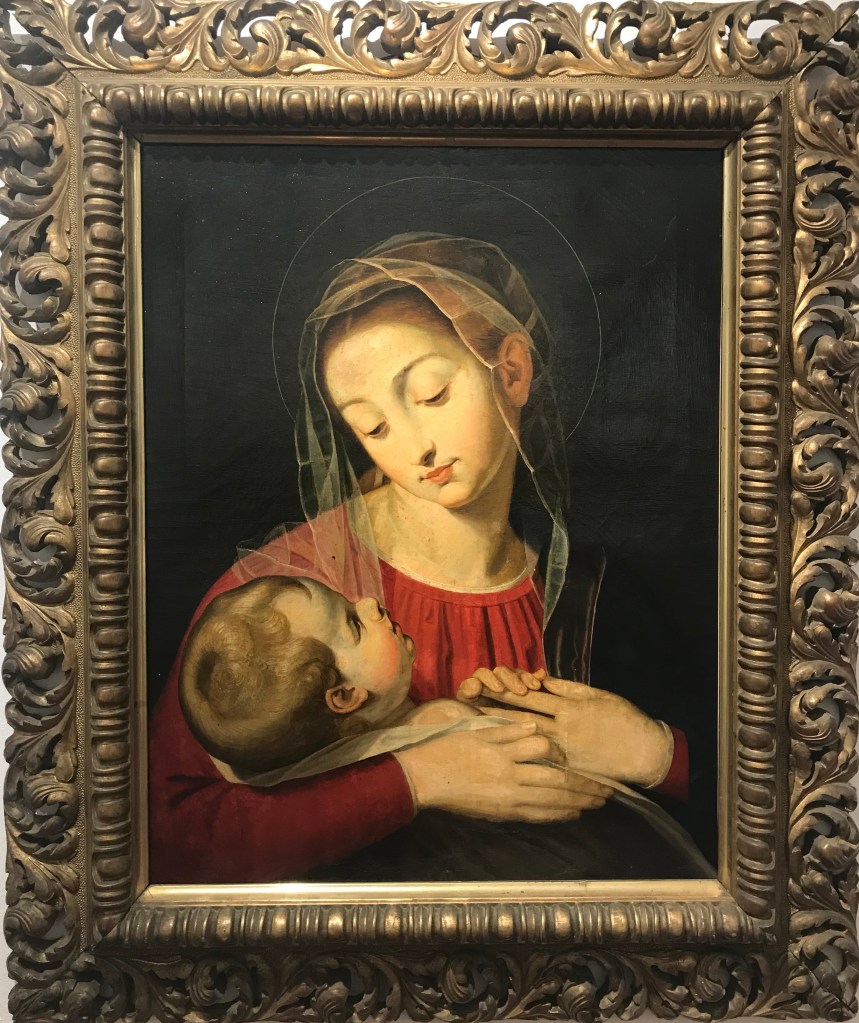
“Madonna and Child” after Scipione Pulzone, 1780-1810, Oil on canvas
The painting is owned by the church of San Martino a Gangalandi in the town of Lastra a Signa, Italy. The varnish and discolored retouchings were removed. Severe paint loss in the hands of Madonna were filled and retouched. The painting was then varnished.
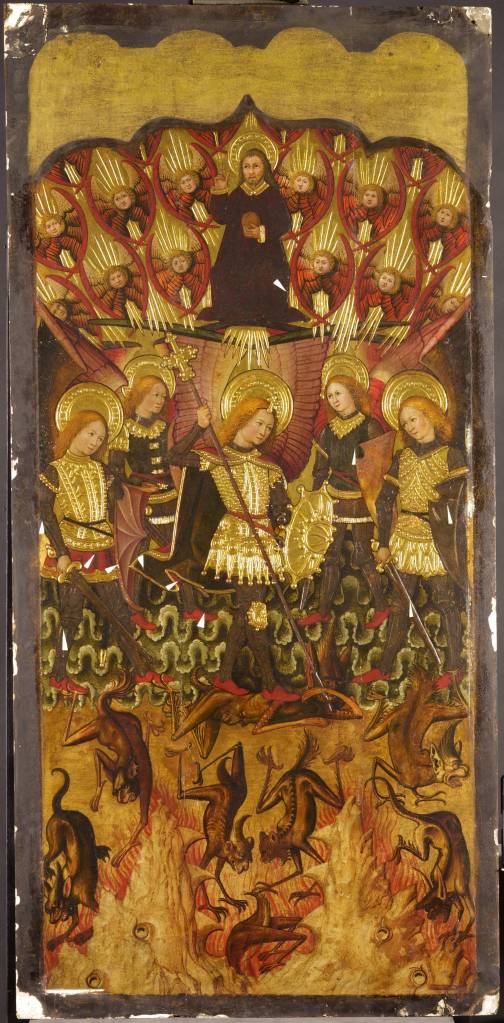
“Fall of the Rebel Angels”, 15th c., Oil on panel
Treatment included varnish removal with Pemulen gel over sensitive pigments and gold leaf.

Henri Fantin-Latour, “Pensées“, 1882, Oil on Canvas
This painting of the Kröller-Müller Museum was in need of a small retouching.
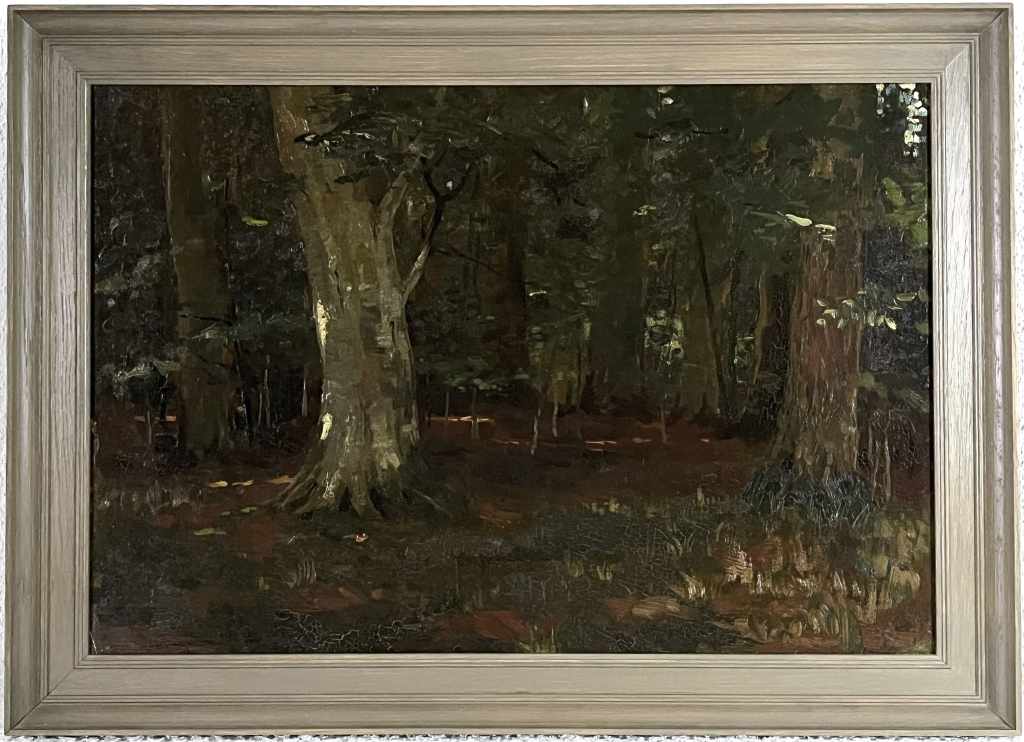
Gustaaf van de Wall Perné, “Studie (beuken)“, ~1900, Oil on board
This painting of the CODA Museum Apeldoorn was difficult to read due to a distracting craquelure pattern revealing a white ground. With a small bit of retouching, these distractions were minimized and the composition restored.
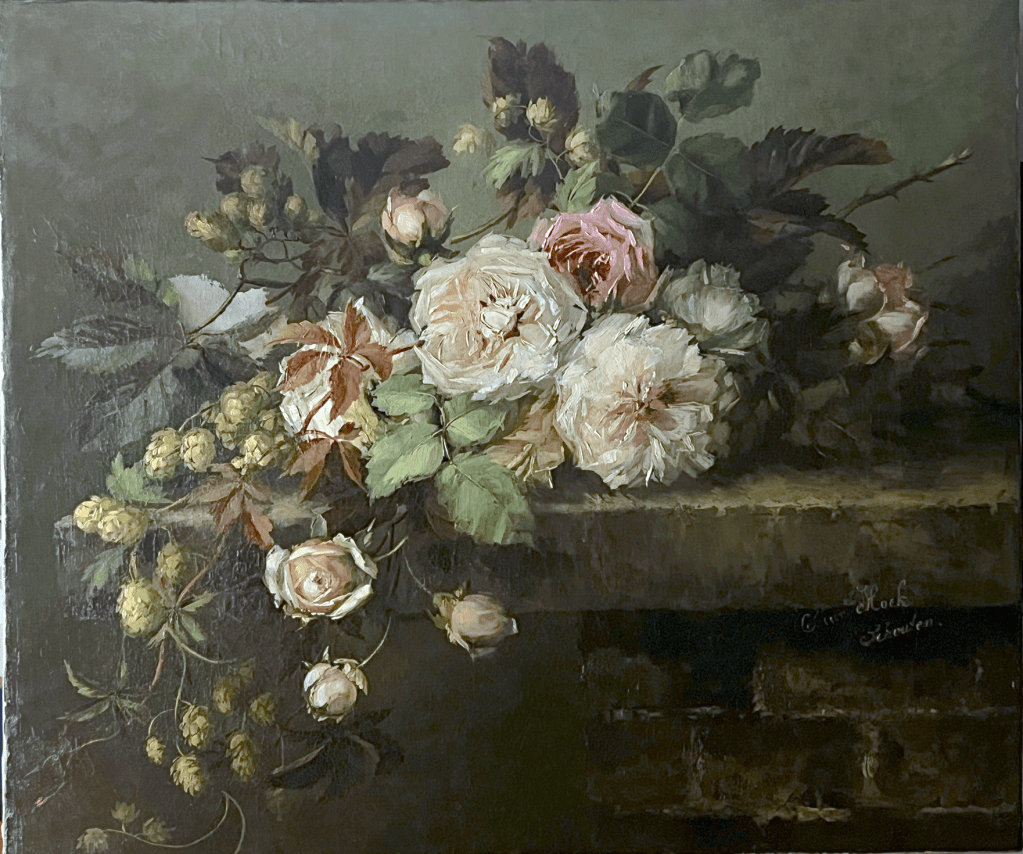
Cornelia van Hoek-Schouten, “Stilleven met bloemen“, ~1900, Oil on canvas
This painting had hundreds of paint losses, between 1mm and 2cm large. The canvas was also very deformed. After the canvas was flattened, the varnish was removed. Then the losses were filled and retouched.
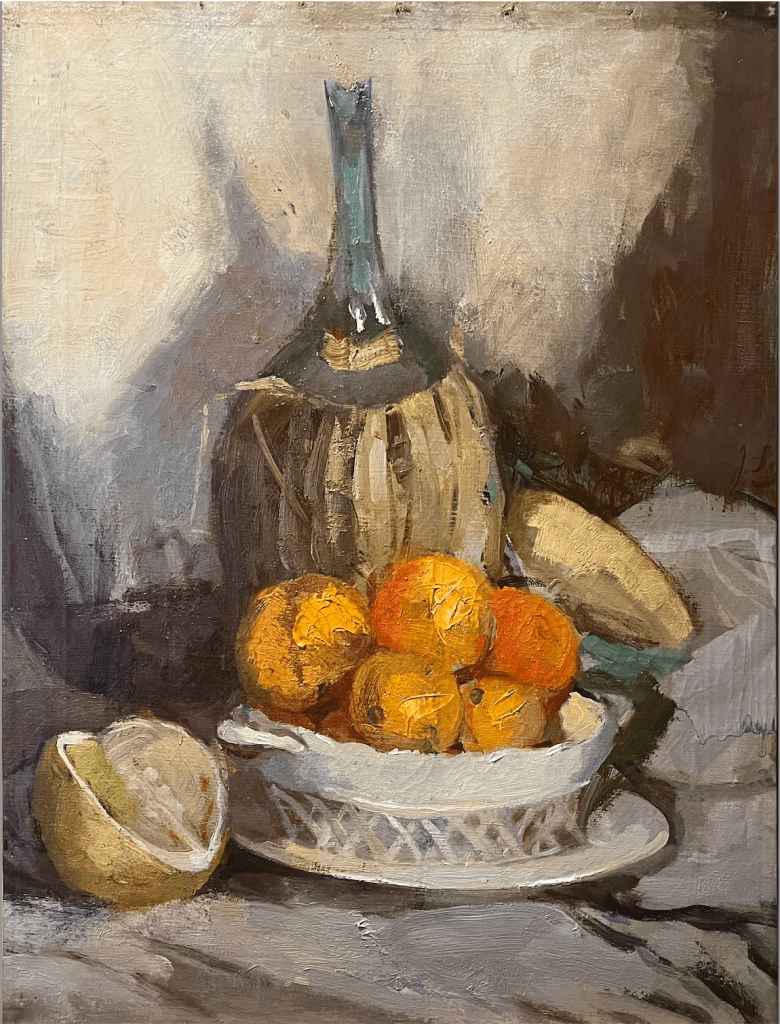
Jacoba Surie, “Stilleven“, Oil on canvas
The yellowed varnish on this painting was removed and canvas deformations were flattened.
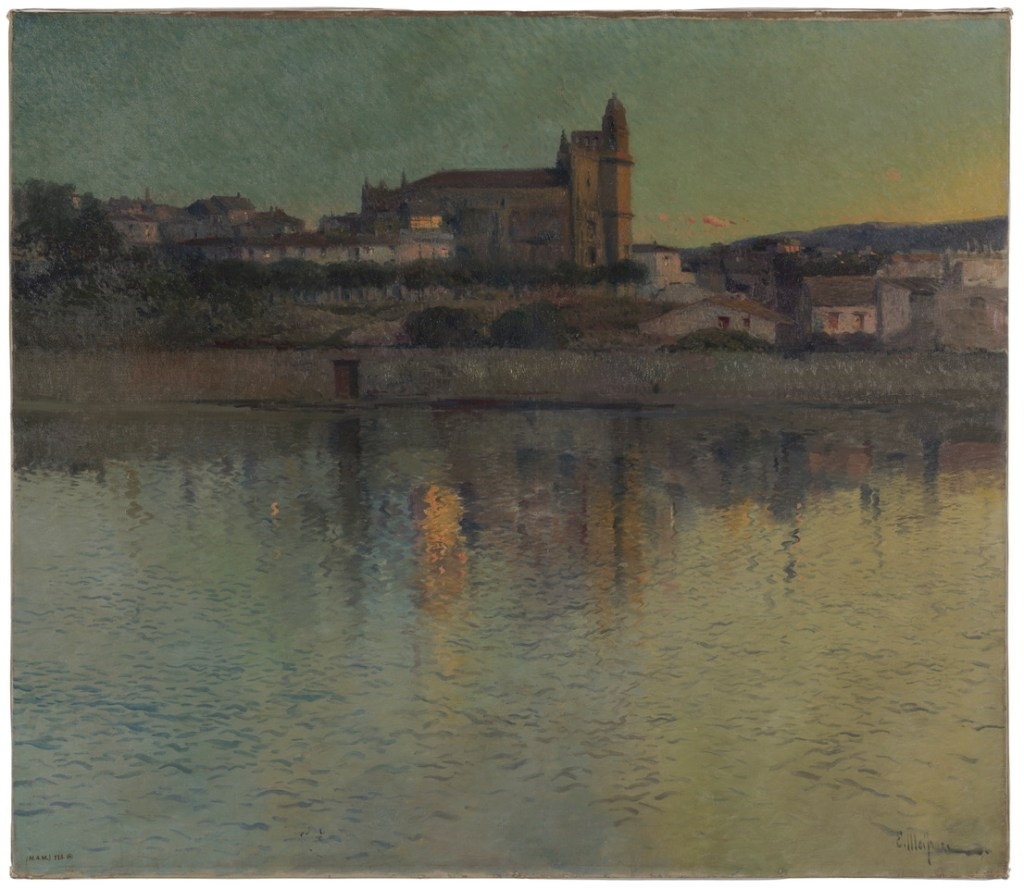
Eliseu Meifrèn i Roig, “Oraciones (Pontevedra)“, 1905, Oil on canvas
This canvas of the painting was detaching from its stretcher, causing canvas deformations. The painting was given a strip-lining and re-stretched on its original stretcher. After the structure was stabilized, the varnish was removed. Then, poor fillings were removed and replaced.
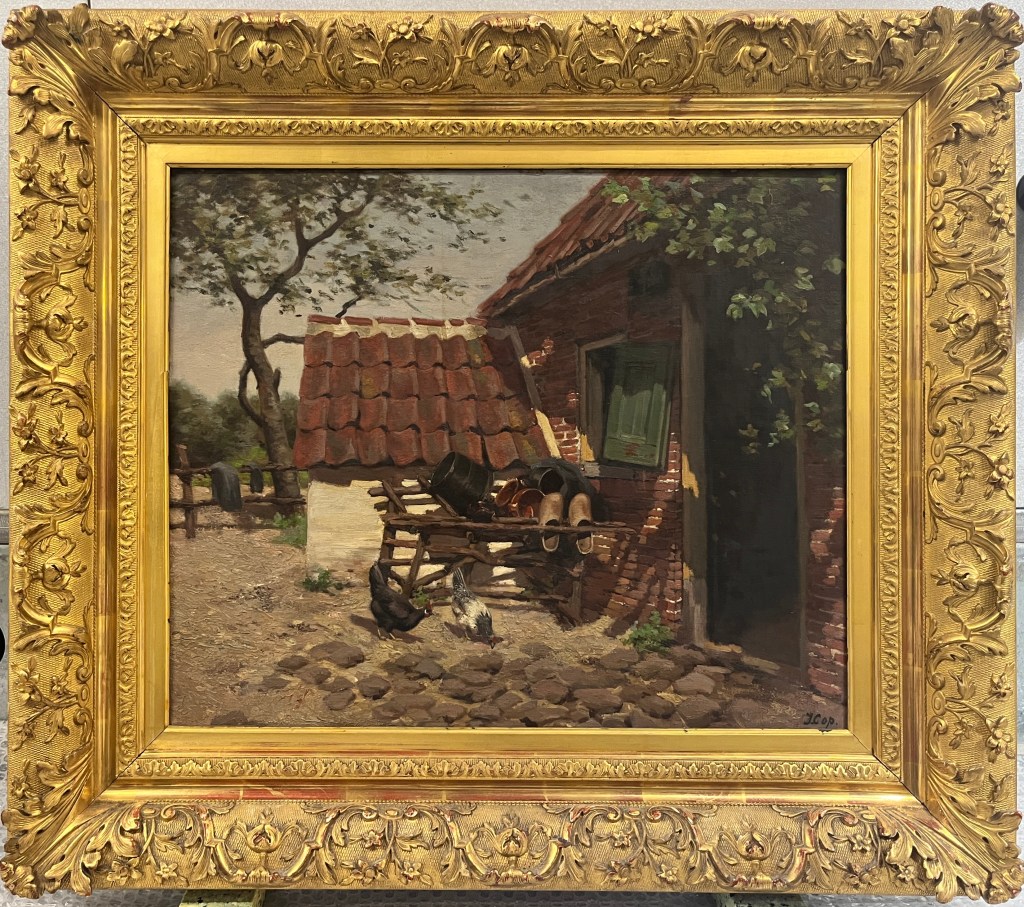
Johan Cop, “Oud Hoekje bij Nunspeet“, 1900-1913, Oil on canvas
This painting was donated to the Noord-Veluws Museum in a bad state. It was covered in mold and dirt, which had to immediately removed. The painting was cleaned and given a treatment to prevent the re-growth of mold.
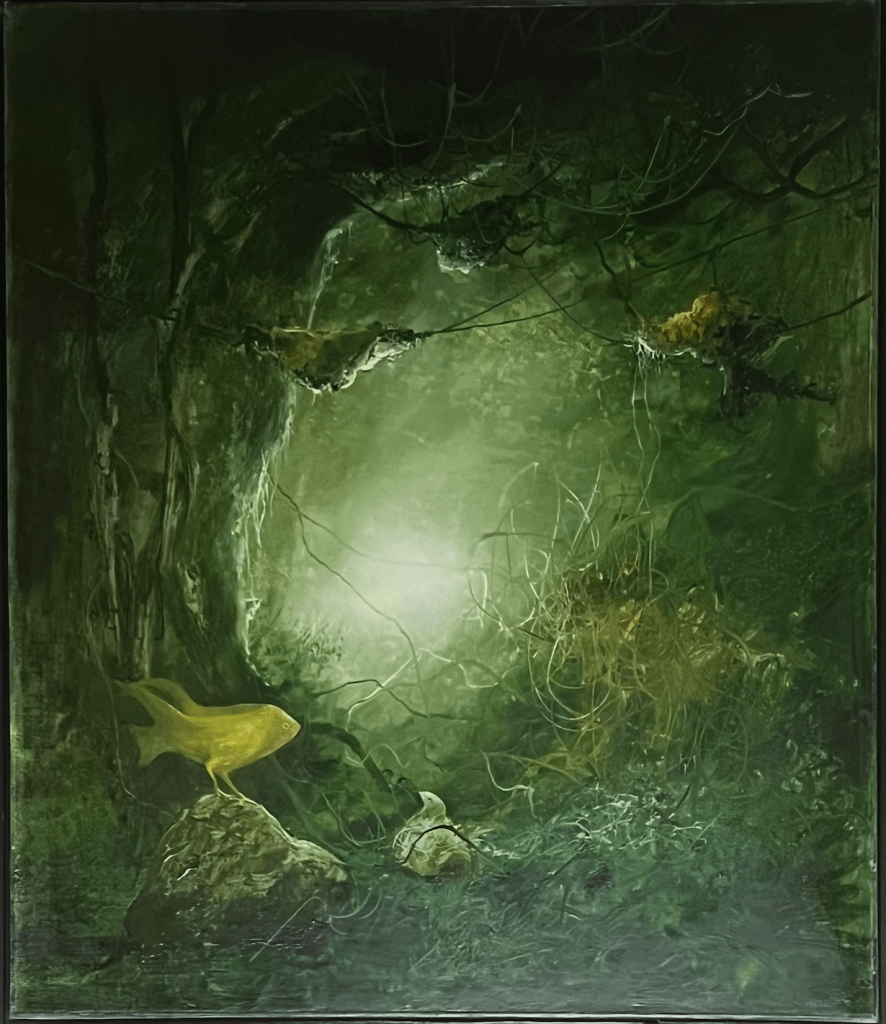
Joop Smits, Surrealistische landschaap, na 1961, Oil on canvas
One large paint flake was knocked off this painting, probably due to a strike from behind. The paint flake was saved and replaced onto the painting. Further losses were filled and retouched.
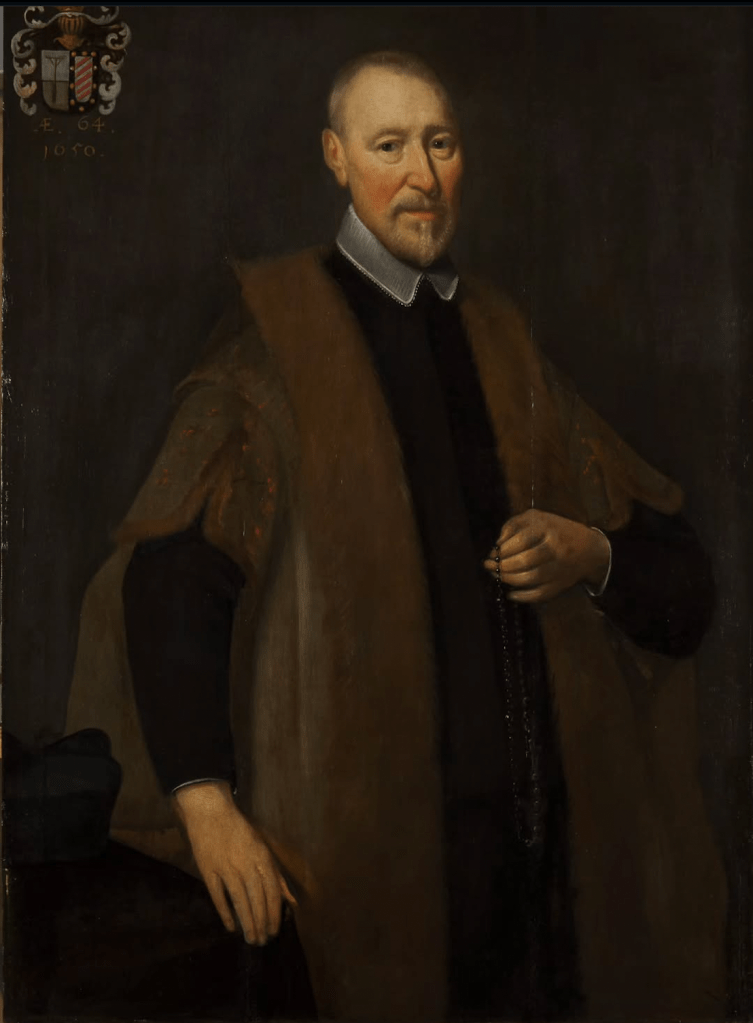
Evert Moerman, “Portrait of Folkert Herkinge“, 1650, Oil on panel
I assisted Michel van de Laar with the retouching of this painting.
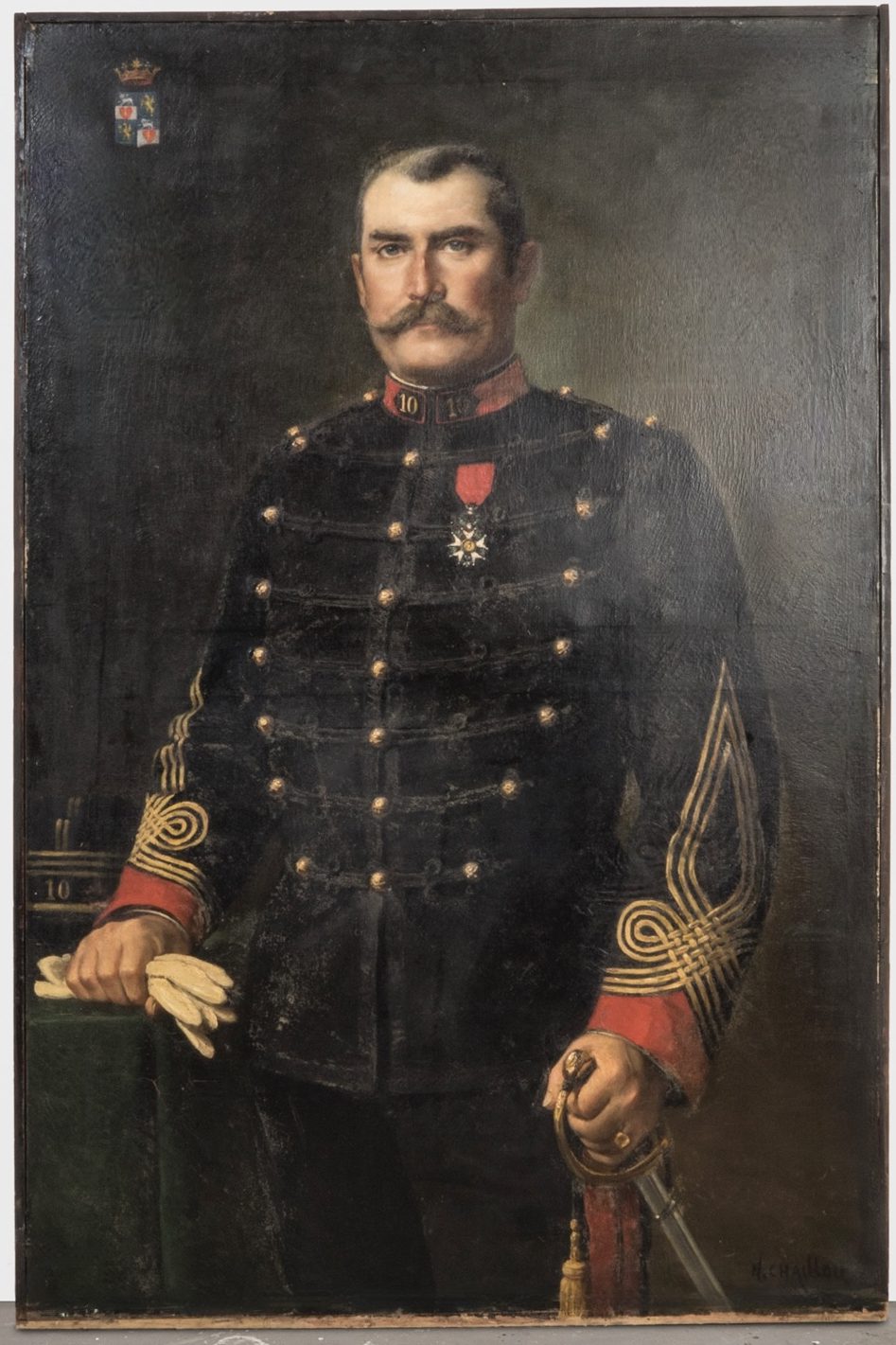
French Third Republic Officer Portrait, 1870-1940, Oil on canvas
The canvas of this painting was tensioned and flattened to remove canvas reformations. Areas of lost paint were filled and retouched.
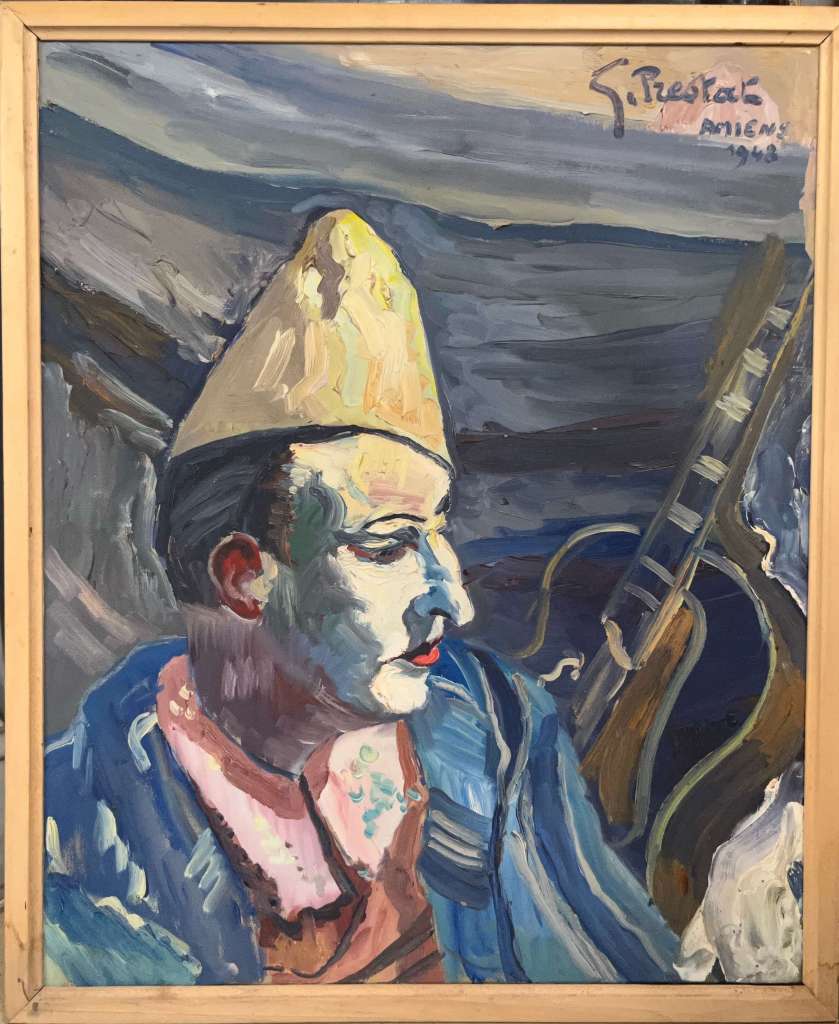
Georges Prestat, “Pierrot Clown“, 1948, Oil on canvas
Treatment included surface cleaning.
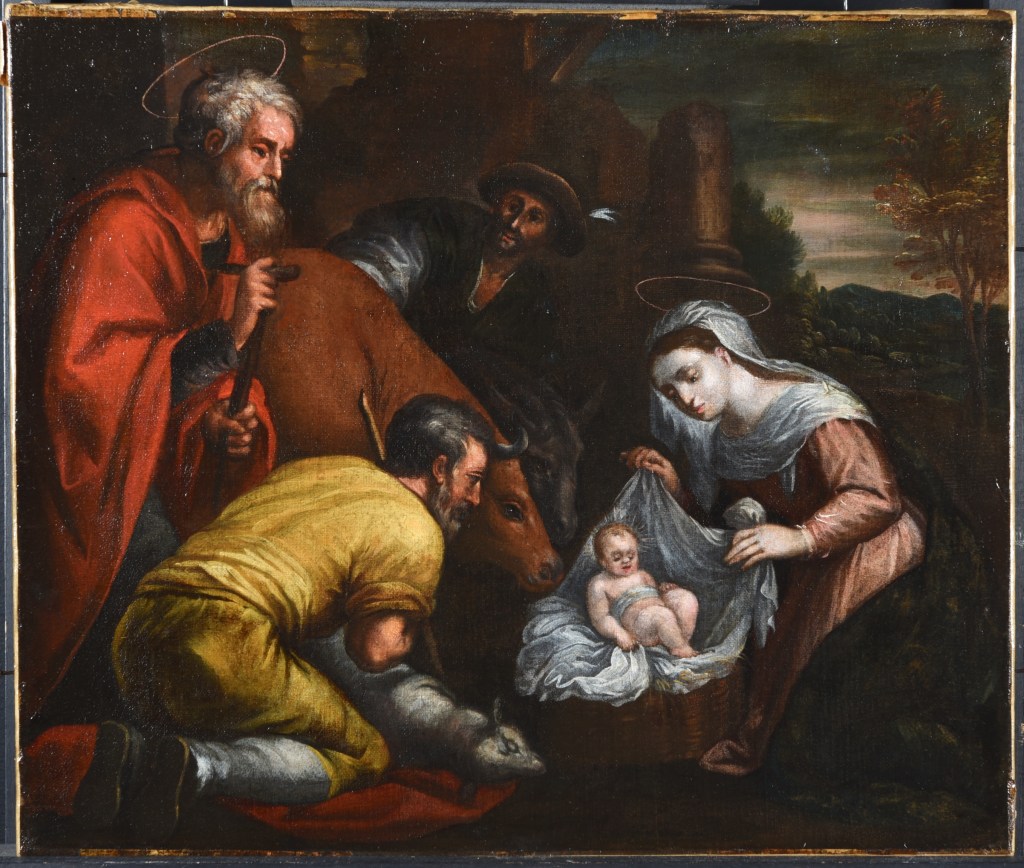
Adoration of the Shepherds, 1600-1649, Oil on canvas
This painting is from the collection of the Catharijneconvent Museum in Utrecht. Before treatment, research was carried out into the materials and technique of this painting.
Treatment included varnish removal, filling, retouching and revarnishing.
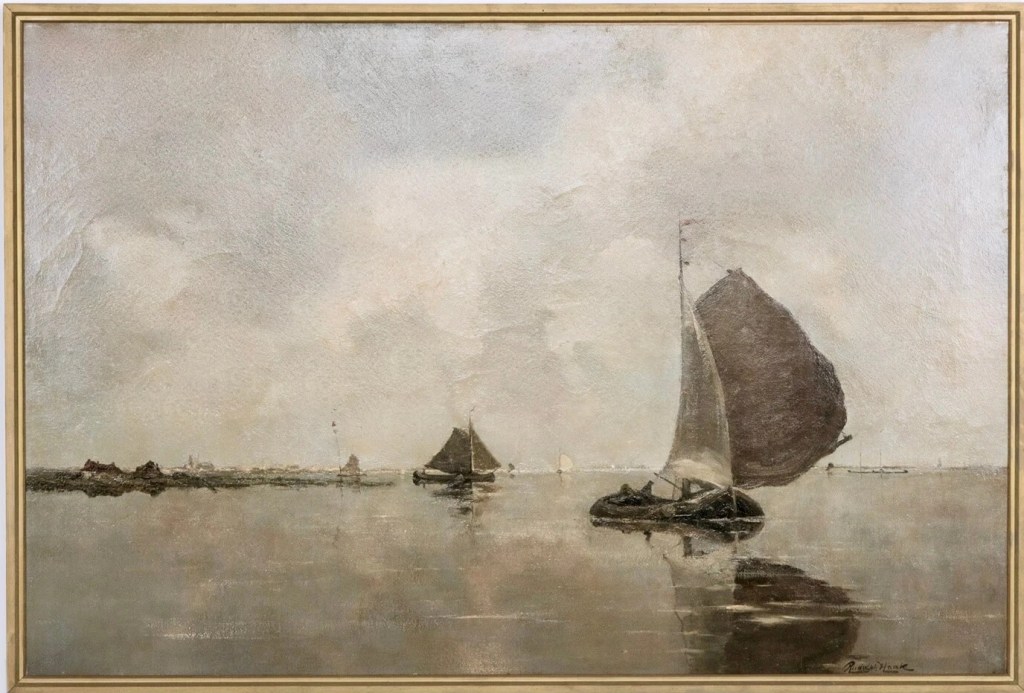
Rudolph Haak, “River View”, late 19th c., Oil on canvas
The canvas was tensioned. The client preferred that the painting not be cleaned in order to keep the aged patina.

“Koeien in de stal”, Piet Egmond, Oil on canvas
This painting is from the collection of the Gemeente Enkhuizen and had been through a fire. Because of this, the canvas was very weak and the paint was blistered. There were also some small tears. The paint was consolidated, tears mended, and the canvas and paint blisters flattened. The varnish was removed, losses filled and retouched and a new varnish applied.
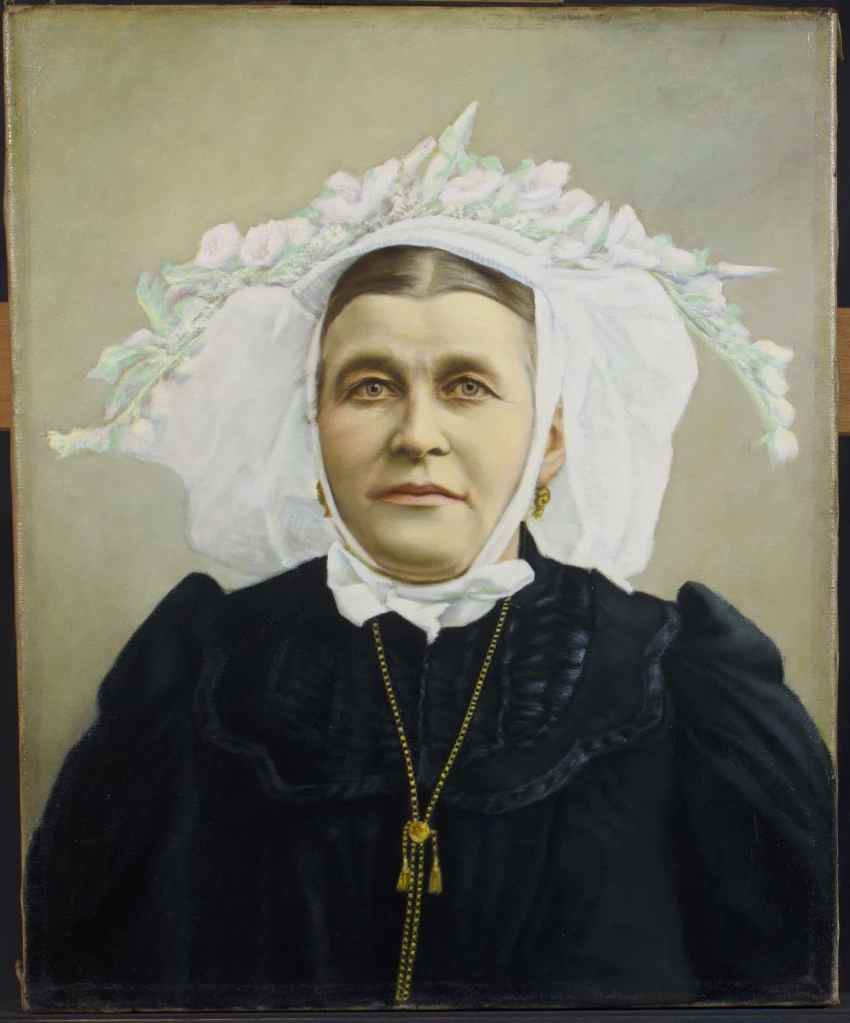
Brabants portrait, 1858-1939, Oil on canvas
The varnish and discolored retouches were removed. New retouches were applied and the painting was varnished.
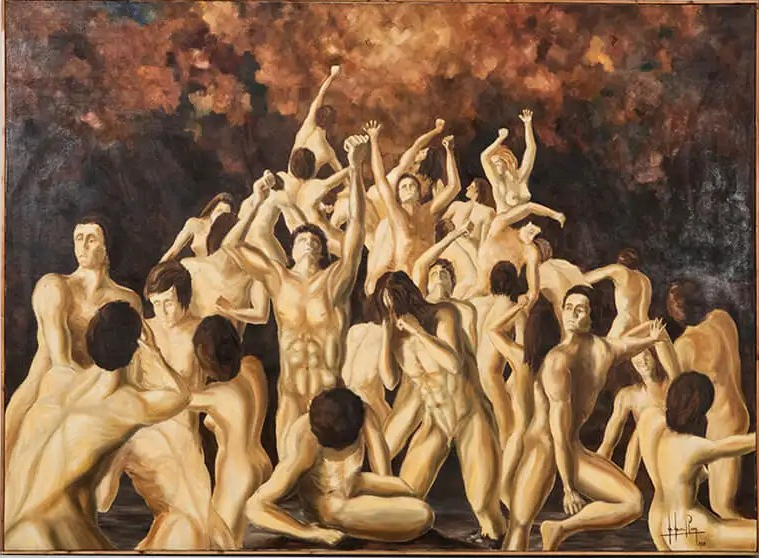
“Purgatory“, 1973, Acrylic on canvas
Treatment included tear mending, filling and retouching.
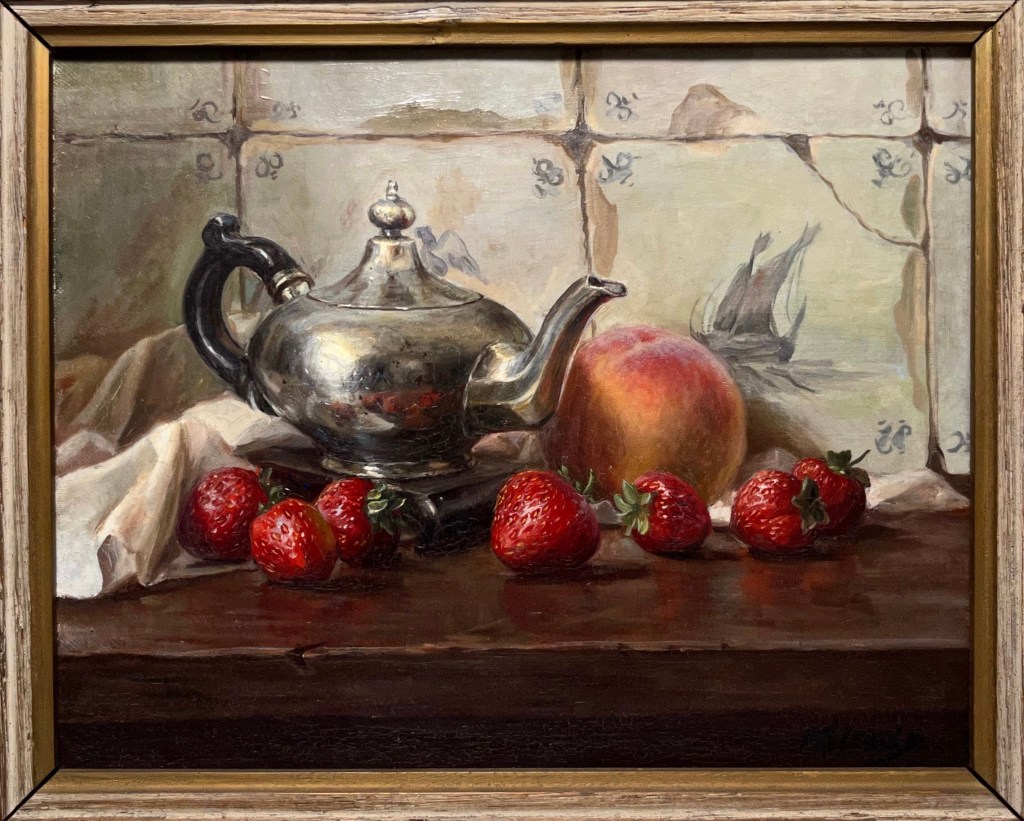
P. Molensky, “Still Life with Fruits“, 20th c, Oil on canvas
Treatment included surface cleaning and retouching. Art historical and provenance research was also conducted at the request of the client.
“La Bienfait, d’après Manet”, 1923, Oil on canvas
Treatment included cleaning, consolidation of raised paint, filling and retouching.
Coumons, “Masks“, 20th c., Oil on canvas
Treatment included cleaning, varnish removal, tear mending, consolidation of loose paint, filling and retouching.
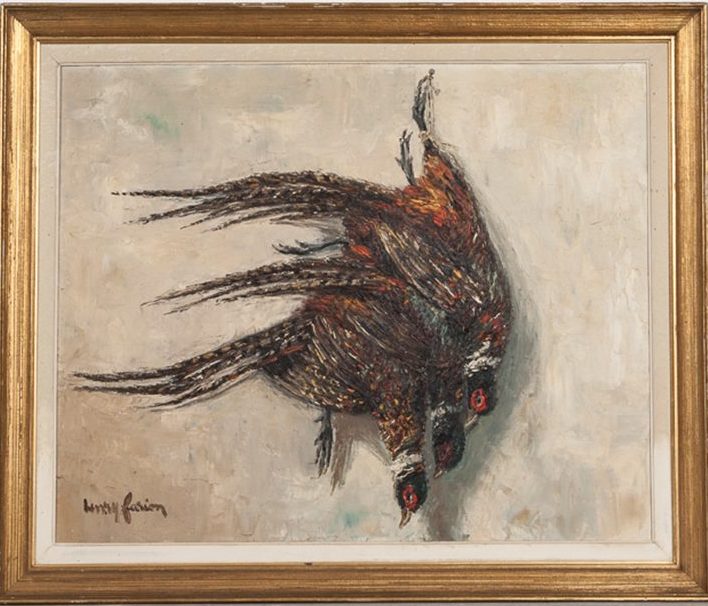
Henry Farion, “Pheasants“, mid-20th c., Oil on canvas
Treatment included surface cleaning.
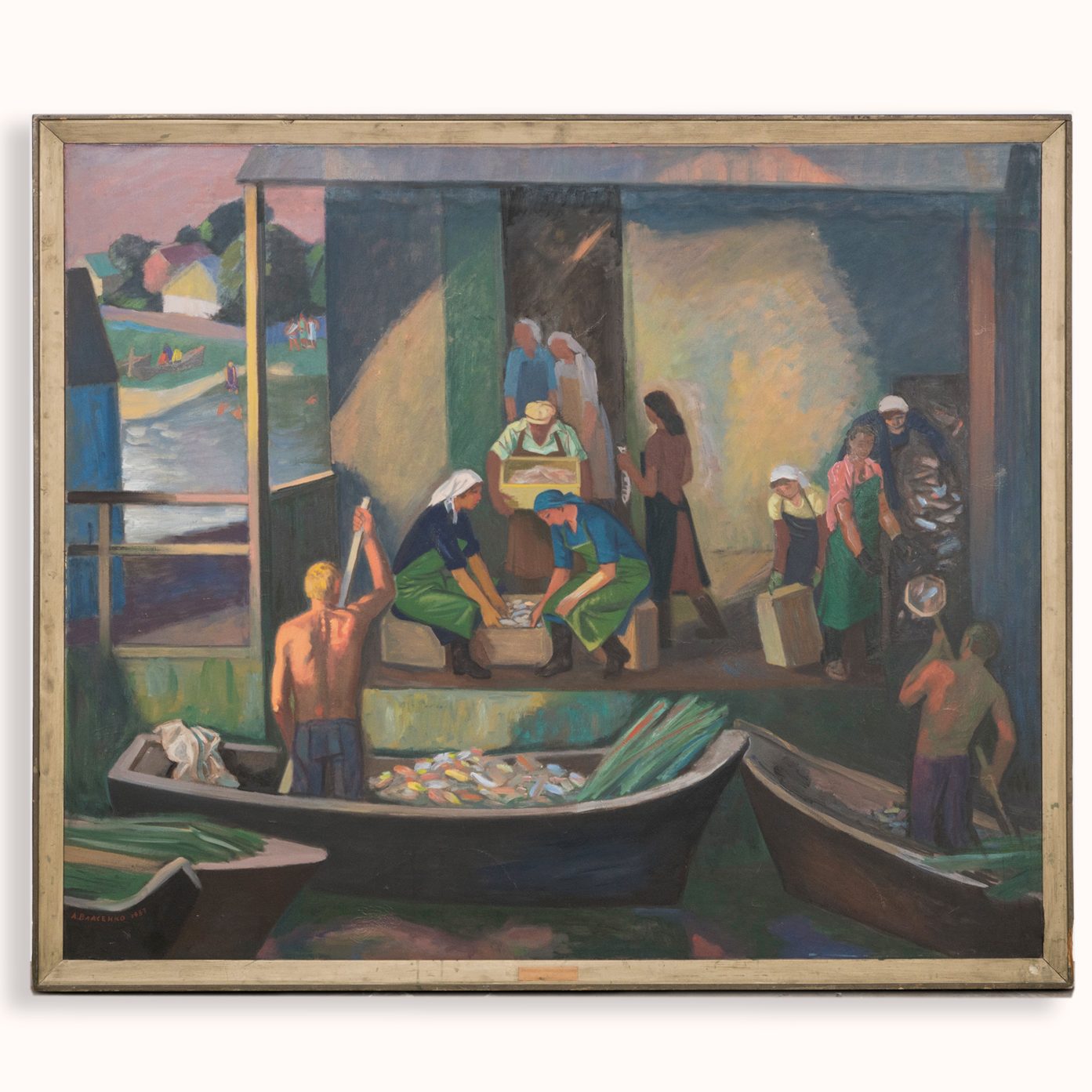
Alexander Vlasenko, “Cleaning Fishes”, 1987, Oil on canvas
Treatment included surface cleaning and tear mending.
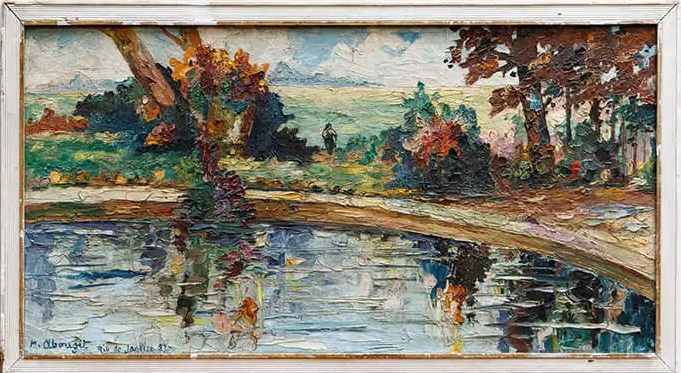
M. Abougit, “Rio de Janerio“, 1927, Oil on canvas
Treatment included surface cleaning and consolidation of flaking paint.
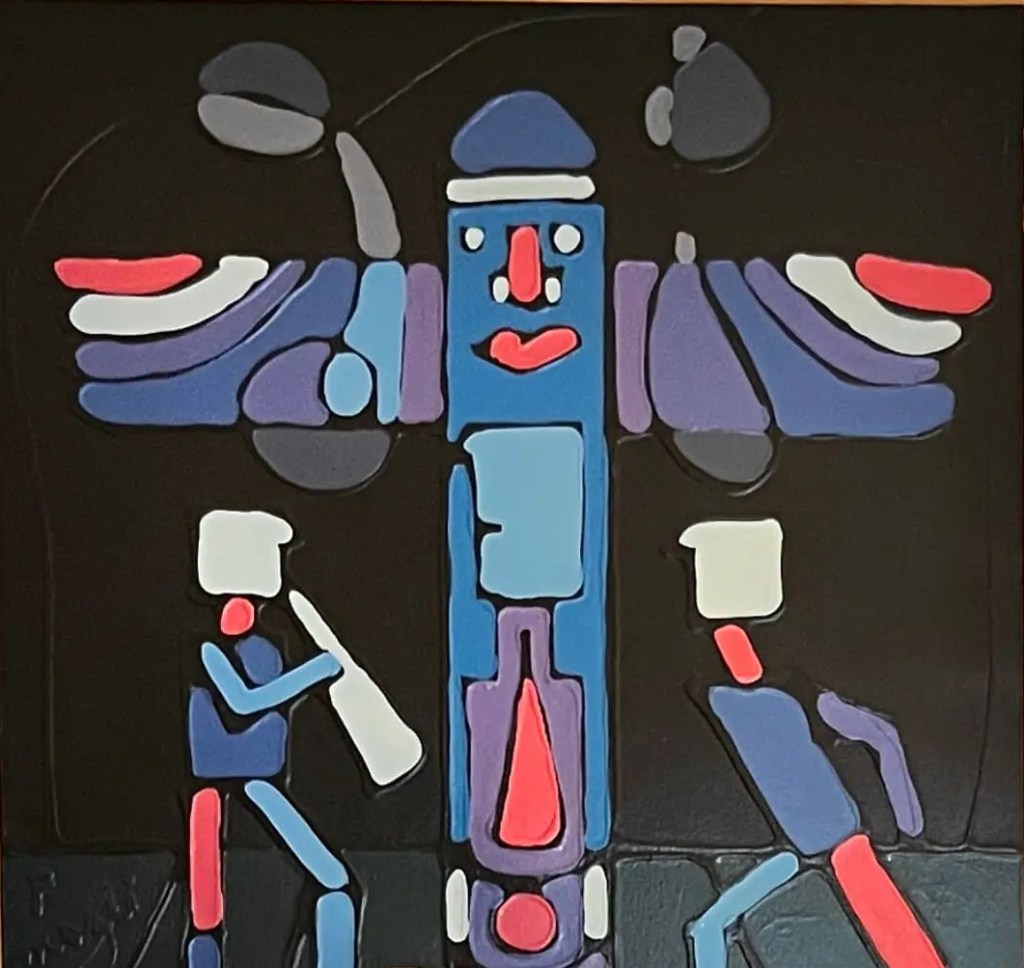
Abstract Italian painting, 20th c., Oil on canvas
Treatment included surface cleaning, filling and retouching.
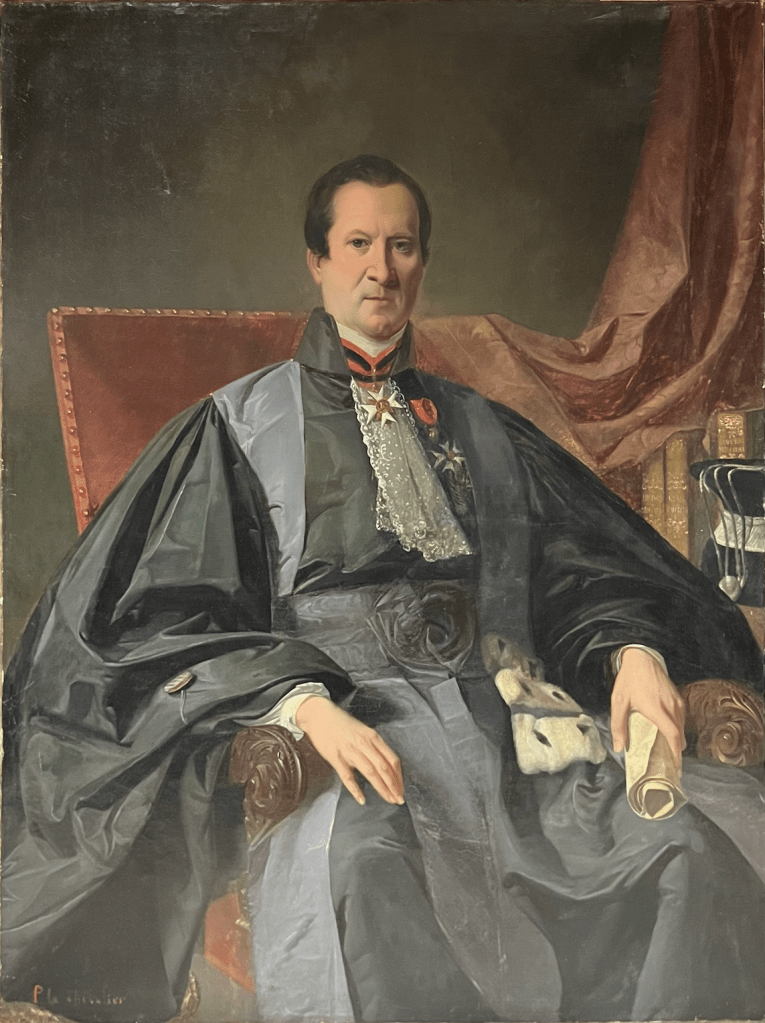
Portrait by P. la Chevalier, 19th c., Oil on canvas
Treatment included surface cleaning, tear mending, filling losses and retouching. Warps in the canvas were also planed.
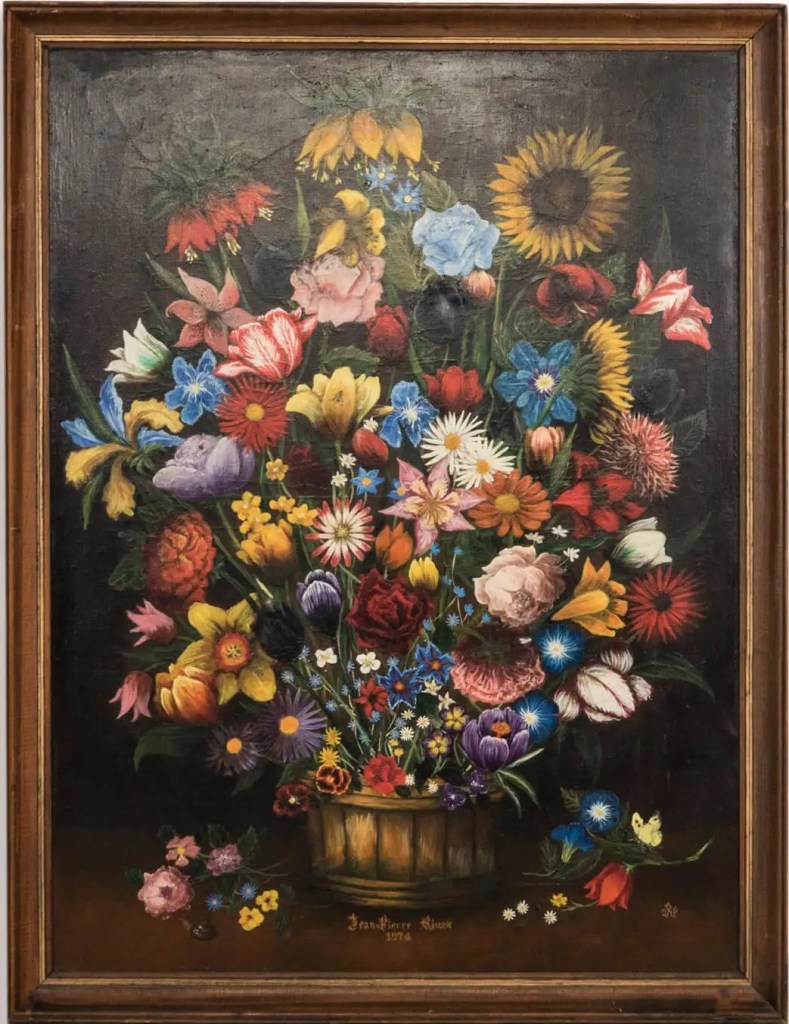
Jean Pierre Rivea, “Still Life with Flowers“, 1987, Oil on canvas
Treatment included surface cleaning, filling and retouching.
 Professionele schilderijenrestauratie in Gelderland | Kunstrestauratie Carter